What Is a Touch Screen Vending Machine?
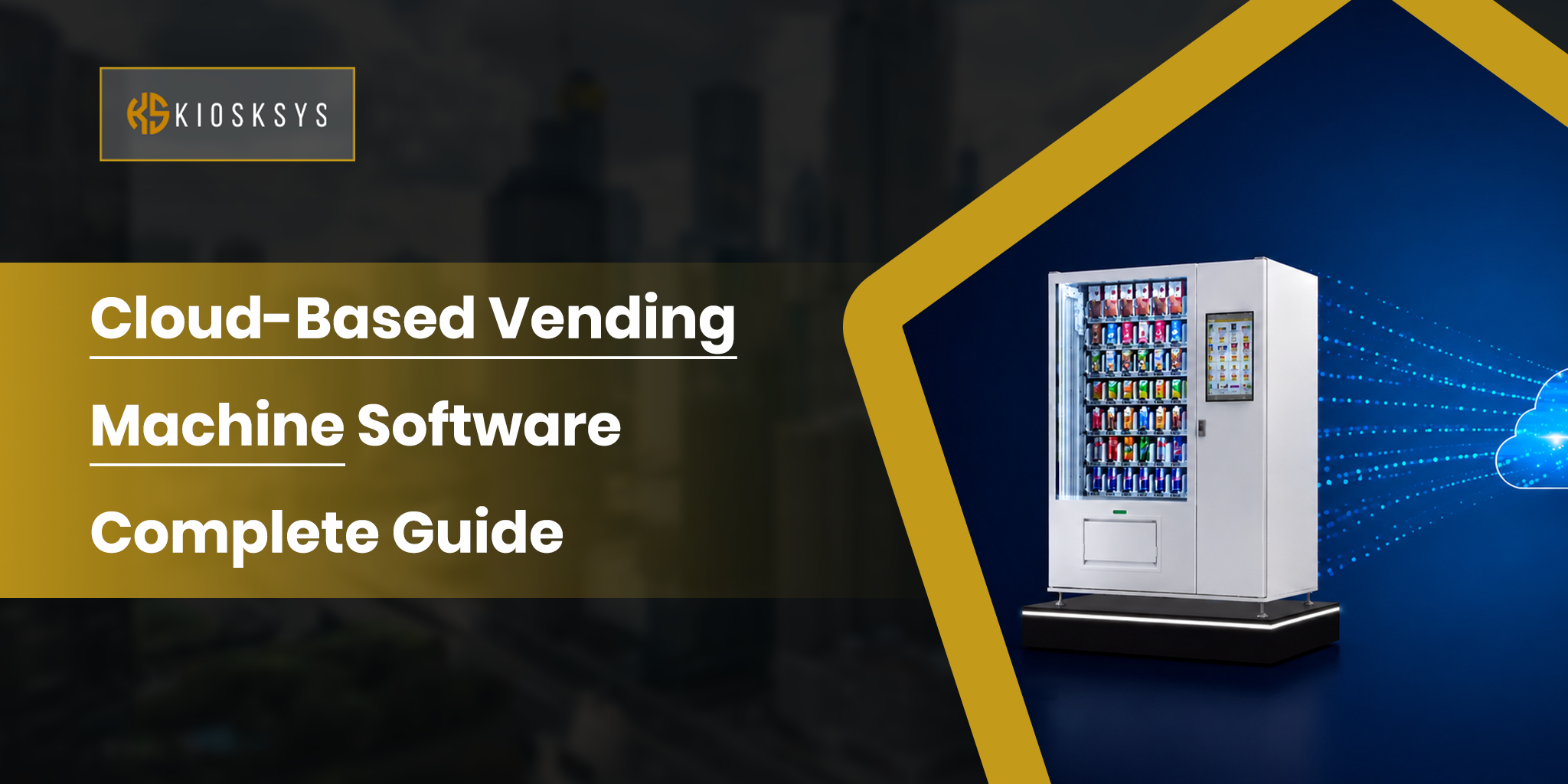
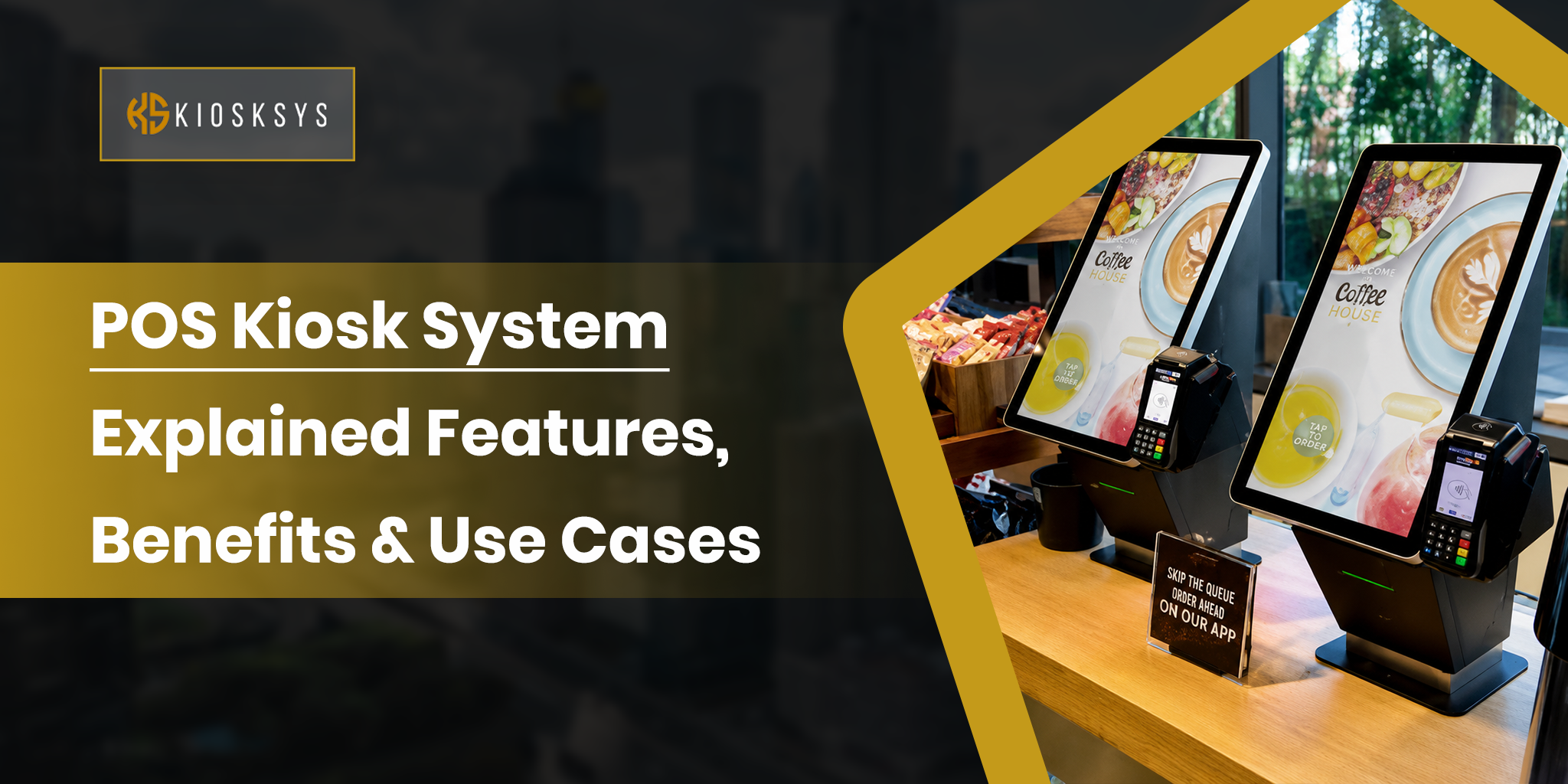
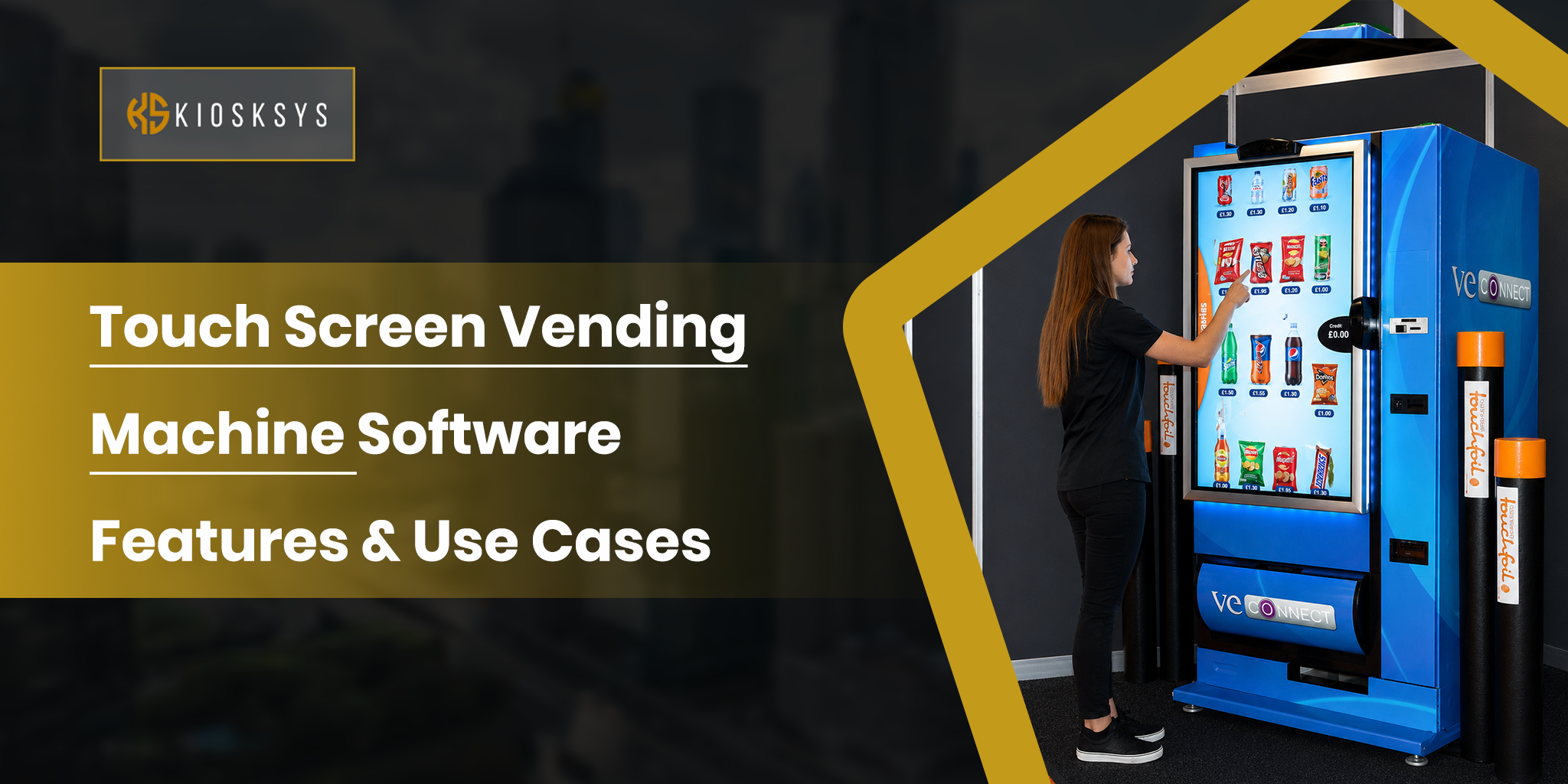
Touch screen vending machines are becoming increasingly popular. You’ve probably also seen and interacted with them at least once by now. Basically, it is an advanced, self-service retail unit that replaces traditional physical machines with buttons with an interactive digital display.
Instead of simply selecting a product and completing a purchase, users engage with a dynamic interface that allows them to:
- Browse items
- View product details
- See promotions
- Pay using modern methods like cards/mobile wallets/QR codes
What really sets is the software that makes it work. Behind the interface, touch screen vending machines are connected to intelligent systems that manage and enable several features to improve the buying experience.
How Popular Are Touch Screen Vending Machines Today?
If you’ve used a vending machine recently, you’ve probably noticed the shift from coins and clunky buttons to the new “tap, swipe, and go” tech. It’s almost starting to feel like something out of a movie. But it’s our reality, and it’s happening everywhere. The smart vending market is expected to jump from roughly $29 billion in 2025 to close to $79 billion by 2033, which tells you businesses are committing.
And on the user side, the behavior is already there: more than 60% of vending purchases are now cashless, meaning people expect the same smooth, screen experience they get everywhere else. Touch screen machines are simply catching up to how people already want to buy.
What Features Does a Touch Screen Vending Machine Offer?
What makes touch screen vending machines stand out is literally everything that’s happening behind them. Software might amuse us based on what we see on the frontend, but the real magic is in how smooth the backend makes it work. These machines are powered by intelligent software that turns a simple transaction into a more interactive experience. Along with that, they come with a plethora of useful, accessible features that shape the whole experience.
Interactive User Interface
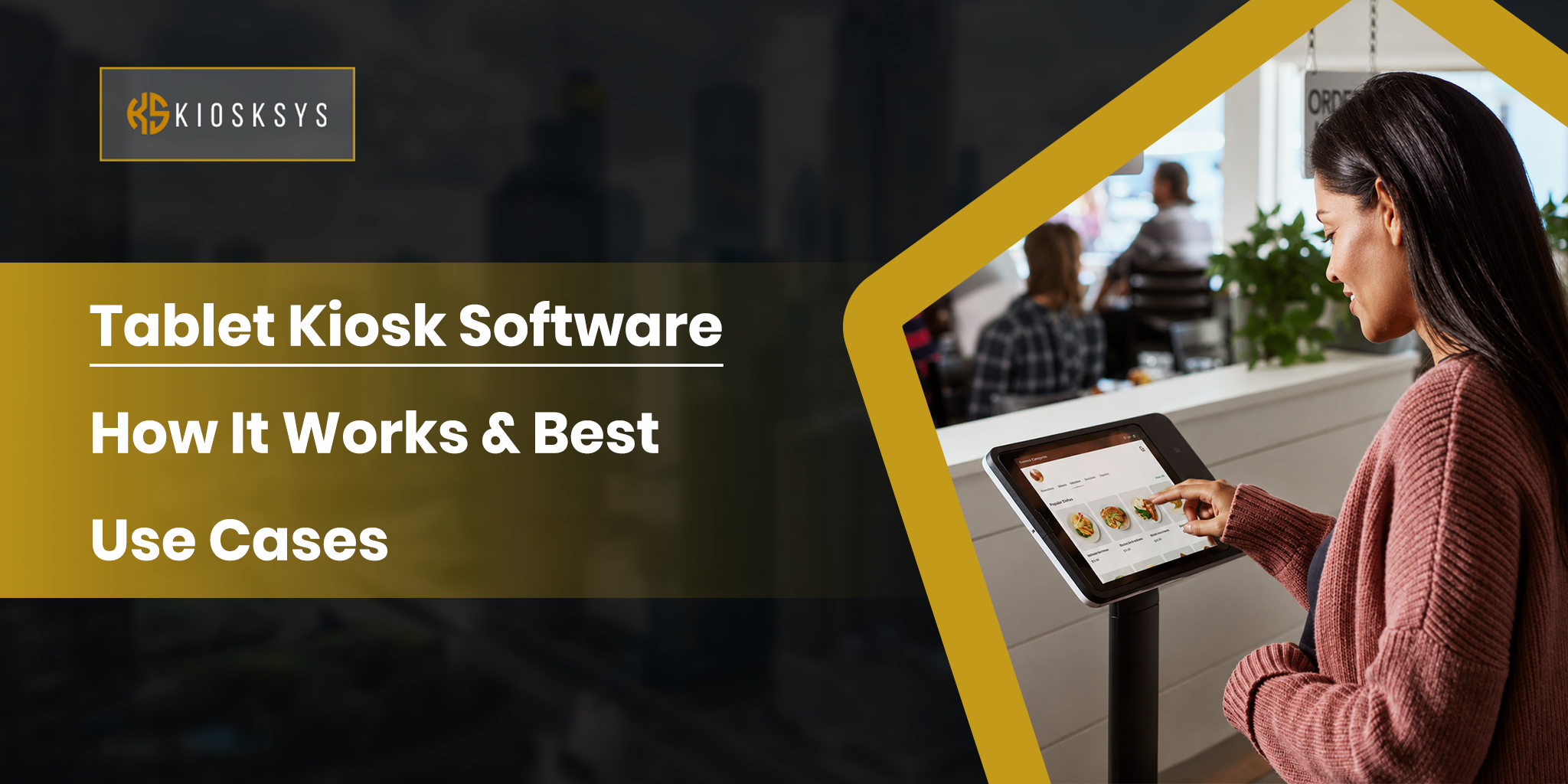
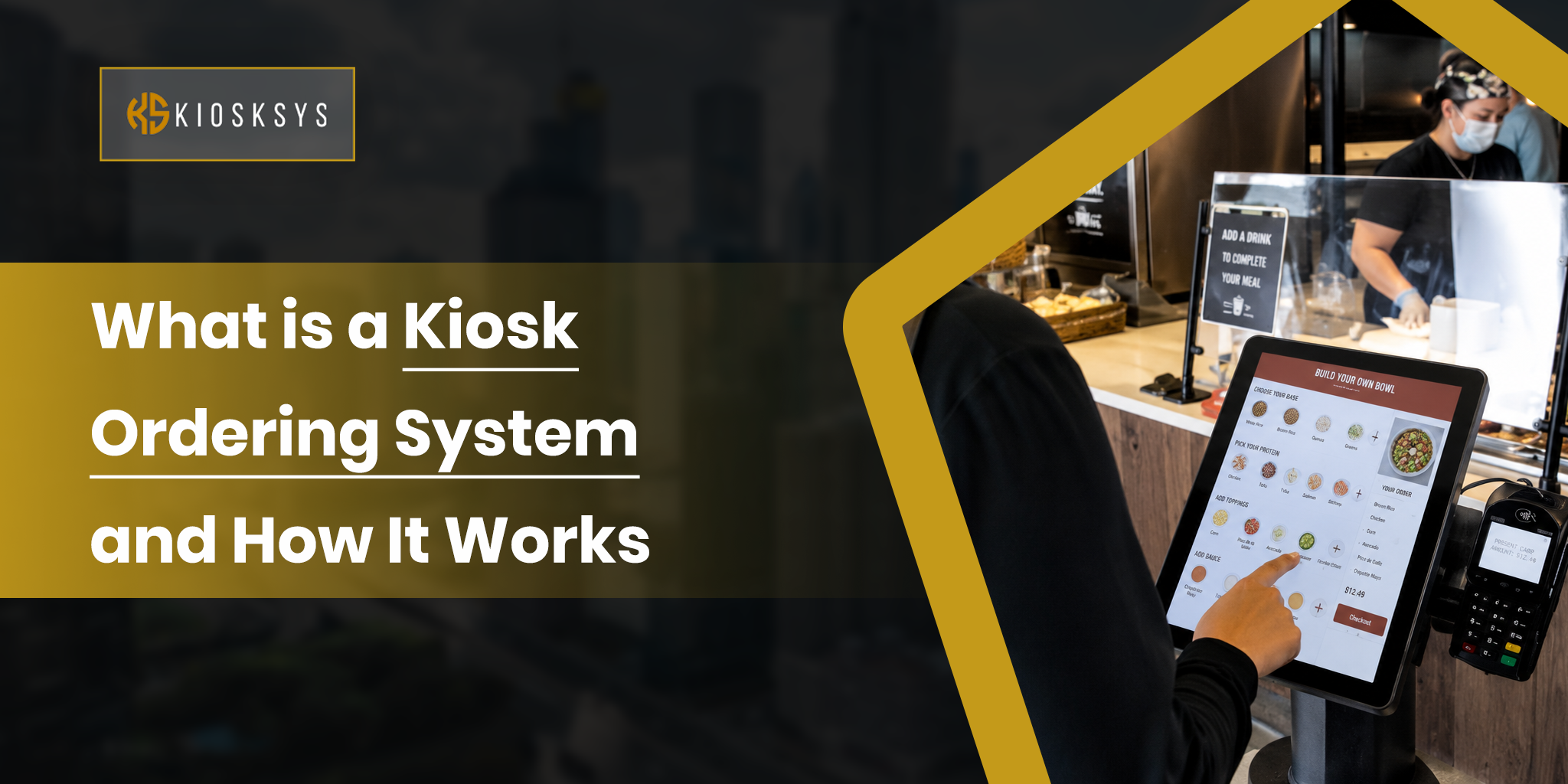
The touch screen interface is designed to feel natural and easy to use. Instead of pressing physical buttons, users can scroll things on the screen to browse and view products via taps.
Cashless and Flexible Payments
One of the biggest upgrades is the ability to accept multiple payment methods. From debit/credit cards to mobile wallets and QR/NFC payments, customers can pay in the way that’s most convenient for them.
Advertising & Smart Upselling
The digital screen doubles as a marketing tool. It’s actually very strategic. Businesses can easily:
- Run promotions
- Highlight best-selling items
- Suggest complementary products during the purchase process
For example, a customer buying a drink might be prompted to add a snack at a discounted rate.
Temperature Control
You want your dessert served cold, but your coffee smoking hot. Touch Screen machines make this possible via smart temperature control to make sure of product quality and safety. For machines that carry perishable or sensitive items, temperature regulation is critical.
Analytics and Reporting
Behind every transaction is genuine, valuable data. These machines collect insights on purchasing patterns and peak usage times. This way, they are able to keep track of their product’s performance. Operators can use this data to make strategic decisions.
Remote Monitoring & Maintenance
Instead of manually checking each machine, operators can monitor the performance of their machines remotely. From tracking inventory levels to identifying technical issues, everything can be managed quickly from a centralized dashboard.
IoT and Real-Time Management
Touch screen vending machines are often connected through Internet of Things technology. This advanced technology allows live communication between machines and management systems. This means that you can get instant updates on stock levels and your machine’s status across multiple locations.
Multilingual Support
In busy or diverse environments, language accessibility makes a big difference. This makes even more sense if your locations are near an airport. These machines can offer multiple language options so that a wider range of people can navigate and complete transactions without confusion.
Clear Product Information Displays
Customers can also view detailed product information on a touch screen vending machine software before making a purchase. This includes all the important factors, like pricing or nutritional facts. This honest display and transparency help users make more trusted decisions.
Security and Privacy
With digital payments and connected systems, security becomes essential. Modern vending software includes encrypted transactions with secure payment gateways and data protection to guarantee that both customer information and business data remain safe.
What are the Use Cases of Touch Screen Vending Machine Software in 2026?
Touch screen vending machine software is a lot more than the classic “snacks in a box.” In 2026, it’s being used as a flexible touchscreen solution across very different environments.
Here’s how it’s being applied in real-world scenarios:
Retail Stores
Problem:
Retail stores constantly deal with the same clash points:
- Long lines at checkout
- Limited staff during peak hours
- Missed impulse purchases when customers don’t want to wait
- Smaller stores also struggle with space and affordability
Solution:
Touch screen vending machine software introduces compact self-checkout machines inside or outside stores. Customers can:
- Walk up
- Browse products on a digital interface
- Check details like price or variants
- Complete the purchase instantly using cashless payment options.
Airports & Transport Hubs
Problem:
Airports and bus terminals are environments where there is a lot of pressure, and people are constantly moving, often with very limited time. Traditional retail stores struggle to serve sudden demand surges, especially during boarding peaks or delays.
Solution:
Touch screen vending systems act as always-available retail points offering essentials like:
- Bottled drinks
- Snacks
- Travel accessories
- Phone chargers
- Neck pillows
- Menstrual and hygiene kits
Hospitals & Healthcare
Problem:
Hospitals are actively operating around the clock, any day, any hour. However, the retail counters inside them are often limited or closed during night hours. Patients and even staff frequently need basic items urgently, sometimes even at inconvenient times.
Solution:
Touch screen vending machines placed in hospitals provide access to essential goods such as:
- Bottled water
- Snacks
- Sanitization products
- Basic over-the-counter healthcare items
- Personal care products
Conclusion
Touch screen vending machine software is completely changing how everyday purchases happen by turning traditional vending into a retail system led by software. These machines now adapt to different environments.
What makes it important in 2026 isn’t just the technology itself, but how naturally it fits into changing consumer habits. With people already used to cashless and screen-based interactions, this shift feels like the next step in everyday convenience.