Why Should You Choose the Best Vending Machine Software?
Are your vending machines really under control, or are you still guessing what is happening inside them?
Most vending operators do not lose money because of bad machines. They lose money because they do not have real visibility. Stock runs out without notice. Machines go offline without alerts. Sales data comes late or stays incomplete.
This is where a Vending Management System (VMS) changes everything.
A VMS is the software layer that connects your vending machines to a central system. It collects data from your machines using protocols like MDB (Multi-Drop Bus) and DEX (Data Exchange). In some setups, it also uses IoT telemetry devices to send real-time information to a cloud dashboard. From there, you can track sales, inventory, machine health, and payments from one place.
For operators who already have machines installed, the real challenge is not just “getting software.” The challenge is choosing a system that fits your existing hardware, workflows, and scale without forcing you to replace everything.
What to Look for in a Custom Vending Software Partner?
A good system should reduce your operational work, not increase it. It should help you control inventory. It should also let you track sales in real time. Route management should not depend on manual checks or spreadsheets.
Most importantly, the software should fit into your business without disturbing your current setup. If it needs major hardware changes or a complex migration, it stops being a solution and becomes a cost problem.
1. Understand What Vending Machine Software Does
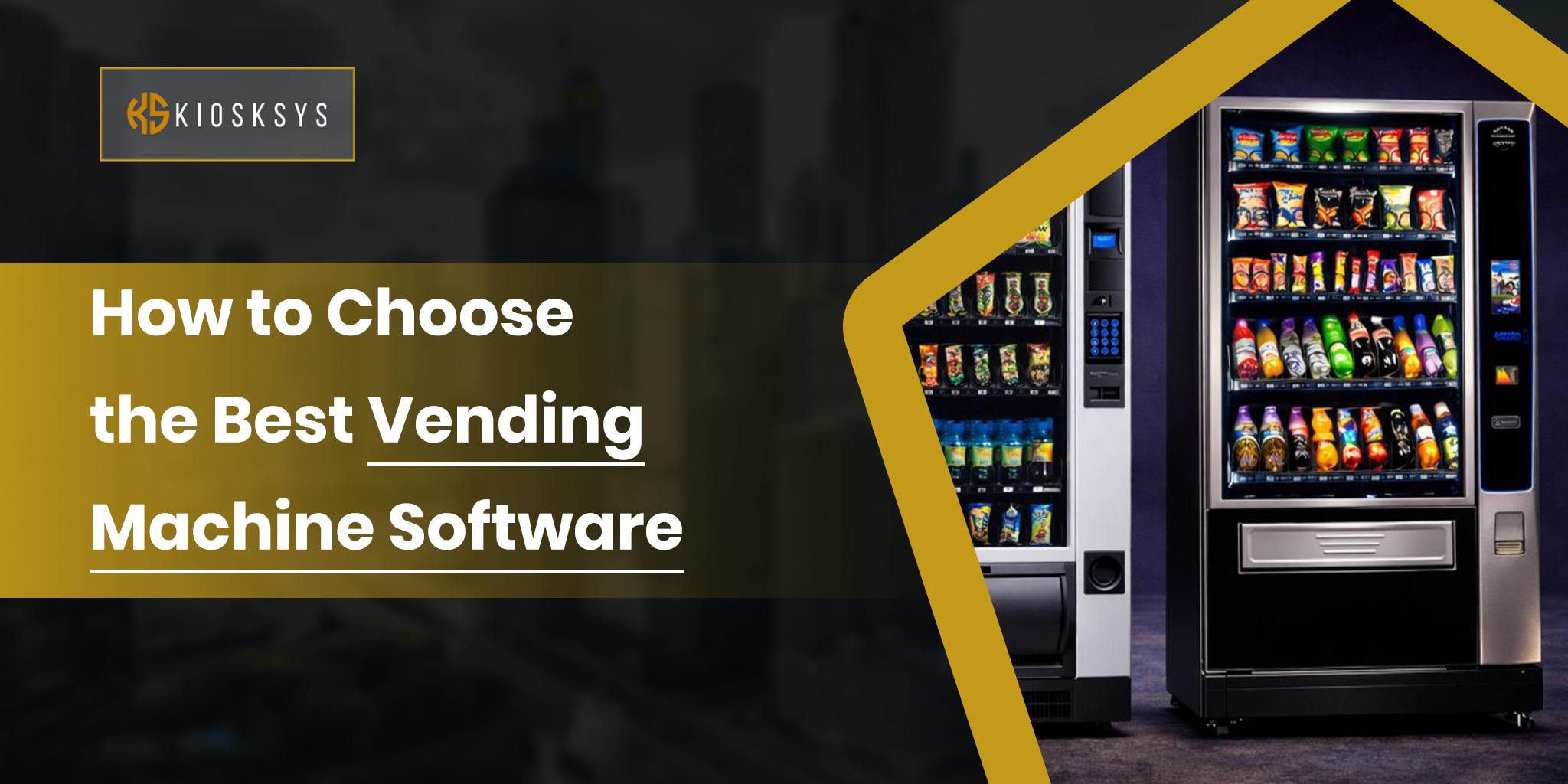
Vending machine software works as the control center of your vending operation. It connects your machines. It collects data from them. Then it turns that data into useful information you can act on.
It typically manages four core areas:
- Sales tracking from each machine
- Inventory levels per product and location
- Machine health and fault detection
- Route planning for restocking
Instead of checking machines manually, everything is visible in one dashboard. You can see which machine is selling fast, which product is running low, and which location is underperforming.
2. Compatibility With Your Existing Machines
Compatibility is the first real filter. If the software cannot communicate properly with your machines, nothing else matters.
Most vending machines use MDB protocol for cashless and coin-based transactions. Older machines may rely on DEX protocol for data extraction. Some machines do not support direct connectivity and require external telemetry modules.
You need to confirm:
- Does your machine support MDB or DEX
- Will you need a telemetry device for data collection
- Can the software work with mixed machine types
If the system cannot handle your current setup, you will end up either losing data or replacing hardware unnecessarily.
3. Identify Your Business Needs
Before looking at features, you need to be clear about your operation size and structure.
A small operator with 10 machines does not need the same system as a business managing hundreds of machines across multiple cities. The complexity changes completely.
You should define:
- How many machines you currently operate
- Whether you run single or multiple locations
- Whether you need basic tracking or full automation
For example, snack vending businesses often focus on product rotation and expiry control. Beverage vending businesses may prioritize temperature and stock frequency. Your software should match these realities.
4. Look for Real Time Monitoring Features
Real time monitoring is what separates basic systems from advanced vending platforms.
A strong system should show:
- Live sales activity per machine
- Instant alerts when a machine goes offline
- Real time stock levels for each product slot
Without this, you are always reacting late. A machine may run out of stock for hours before you notice. A payment failure may go unnoticed until revenue drops. Real time data helps you fix issues immediately instead of discovering them during the next physical visit.
5. Evaluate Inventory and Route Management
Inventory management is where most operational losses happen in vending businesses.
A proper system should track inventory at three levels:
- Warehouse stock
- In-transit stock
- Machine-level stock
It should also support pre-kitting, which means preparing exact product loads for each machine before drivers leave the warehouse.
Route management should not be random. It should be based on:
- Sales velocity of each machine
- Stock depletion rate
- Location demand patterns
This reduces unnecessary travel and ensures machines are serviced only when needed.
6. Consider Payment Integration Options
Modern vending machines are no longer cash-only systems. Payment flexibility directly affects revenue.
A good system should support:
- Card payments through POS integration
- NFC tap-to-pay transactions
- QR-based mobile payments
- Digital wallets depend on the region
All transactions should sync back into the system in real time. This helps with reconciliation, fraud detection, and revenue tracking.
If your system only supports limited payment methods, you will lose customers who expect faster, contactless options.
7. Review Integration With Your Current Setup
Integration is where many projects fail. A good vending software should work with your current machines without forcing full replacement. Installation should involve minimal downtime and should not interrupt your daily operations.
Key things to check:
- Does it require hardware replacement or just add-ons
- How long does installation take per machine
- Can it be deployed without stopping operations
A system that takes too long to integrate will slow down your business instead of improving it.
8. Analyze Data and Reporting
Data is only useful if it is easy to understand and act on.
A proper VMS should give you clear reports on:
- Top selling products per machine
- Underperforming locations
- Daily, weekly, and monthly sales trends
You should not need technical skills to interpret the data. The goal is quick decisions, not complex analysis.
If the dashboard is too complicated, operators often stop using it and go back to manual tracking, which defeats the purpose.
9. Think About Scalability
Your software should not only solve today’s problems. It should support future growth.
As you add more machines, you should be able to:
- Onboard new machines quickly
- Manage multiple routes and teams
- Maintain performance without system slowdown
If scaling requires switching platforms later, it becomes expensive and disruptive. A scalable system avoids that risk.
10. Review Security and Reliability
Vending systems handle both operational and financial data, so reliability is critical.
You should ensure:
- Secure payment processing
- Encrypted data transfer between machines and the cloud
- Stable uptime with minimal downtime
If the system fails frequently, it directly affects sales and customer trust.
11. Check Support and Maintenance
Even the best system needs support.
You should look for:
- Help during installation and setup
- Fast technical support when machines go offline
- Regular updates for bug fixes and improvements
In vending operations, downtime equals lost revenue. Support speed matters as much as features.
12. Compare Cost and Long Term Value
Cost should not be the only deciding factor.
You need to look at:
- Initial setup cost
- Monthly or usage-based fees
- Hardware requirements, like IoT devices
A cheaper system may look attractive initially,y but often lacks scalability or proper integration. Over time, this leads to higher operational costs.
A better system reduces trips, improves sales visibility, and increases efficiency. That is where real value comes from.
Final Thoughts
Choosing vending machine software is not just about tracking machines. It is about building a system that can handle real operations across different environments, industries, and payment ecosystems. Whether it is education kiosks, donation terminals, retail vending, or tourism-based self-service machines, the software needs to adapt to local workflows, payment behavior, and operational complexity without forcing compromises.
At KioskSys, we develop custom vending machine software solutions that go beyond standard VMS capabilities. Our systems are built for real-world deployment, including advanced features like local currency payment processing, multi-region payment gateway integration, real-time telemetry, IoT-based machine control, and configurable workflows for different business models. Instead of limiting you to a fixed platform, we design the system around your machines, your geography, and your business logic.
If you are planning to upgrade or build a vending system tailored to your business, get in touch with KioskSys and let’s design a solution that fits your exact needs.