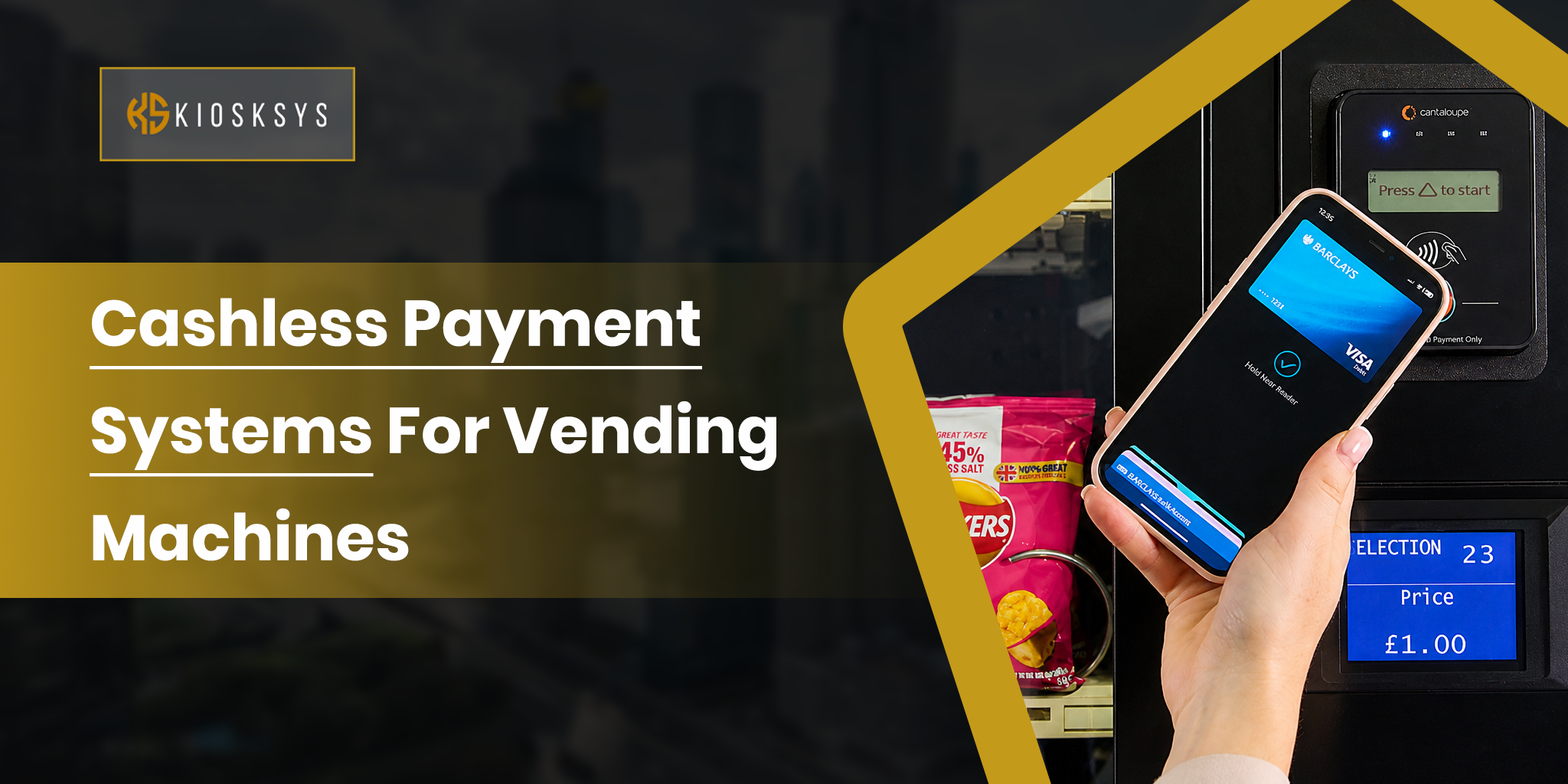
Cashless Payment Systems For Vending Machines
People expect buying to be instant now. They simply tap a card or use a digital wallet and just move on within seconds. That same expectation has now swiftly reached vending machines, where speed and convenience matter just as much as the product inside.
If the payment process feels outdated or limited to cash, many customers simply walk away. And no, they don’t think twice.
Cashless payment systems for vending machines are changing how retail really works. They allow machines to accept modern payment methods while improving transaction speed and creating a smoother customer experience.
As consumer habits continue shifting toward digital payments, adopting the right payment technology has become a practical step toward keeping vending operations relevant. Let’s explore more of this in our blog.
What Is A Cashless Vending Machine?
A cashless vending machine is basically just another vending machine, but with a twist. It allows customers to pay without using any physical money at all.
A cashless vending machine is basically a cool machine that takes the traditional vending experience and updates it for modern buying behavior. These machines often include smart hardware such as:
- Card readers
- NFC payment terminals
- Wireless connectivity modules
- Software that syncs transactions in real time
The machine is connected to a payment processing system that securely authorizes the transaction and releases the selected product once the payment is approved.
Many advanced setups also connect with inventory systems, allowing operators to track sales activity and understand customer preferences more accurately.
Which Payment Methods do Modern Vending Machines Support?
Modern vending machines are basically designed to match the exact way that people pay (or want to pay) today. Instead of depending only on coins or paper currency, they can support multiple digital payment options that make transactions faster and more reliable. This flexibility helps increase convenience for customers.
These machines actually support a variety of payment methods to make things easier, for example:
- Credit cards
- Debit cards
- Mobile wallets
- QR code payments
- Prepaid or Campus Cards
- Loyalty Linked Payments
- Contactless tap to pay methods (NFC, etc)
& any other digital payment options
What Caused The Rise of Cashless Payment Systems For Vending Machines?
The rise of cashless payment systems for vending machines is closely tied to changing consumer habits and growing expectations around convenience.
In 2026, people no longer carry as much cash as they once did. The rising concerns of the world genuinely don’t let most of them. This means payment flexibility has become a major factor in whether a sale happens or not.
When a machine accepts only coins or notes, it can create issues. Instead of 70 sales a day, this gets cut down to just 30 a day, resulting in lower ROI for businesses.
But when it accepts fast digital payments, the buying process feels natural and convenient, resulting in a higher ROI.
Additionally, the growth of contactless technology has made consumers more comfortable with tap-to-pay systems. Vending machines that are often placed in transit hubs and public spaces that get a lot of traffic are the ones that benefit directly from this because users expect smooth and quick transactions.
What are the Advantages and Disadvantages of Cashless Payment Systems?
Cashless payment systems are pretty cool when you think about it. They have transformed vending machines from simple coin operating units into connected self service retail machines.
They create several opportunities for both businesses and customers. However, they also come with limitations that should be considered before you decide to implement them.
Understanding both sides helps in choosing the right side… and it allows businesses to create a payment experience that works smoothly.
Advantages
Here are the benefits of investing in cashless vending machines:
- Higher Sales Potential
Many customers prefer paying by card or mobile wallet. Accepting digital payments reduces lost sales caused by people not carrying cash.
- Faster Transactions
Tap to pay and wallet payments are usually completed within seconds. This even helps reduce wait times and improves the user flow in busy areas.
- Better Customer Convenience
People can use the payment method they already rely on every day. Although a small effort, it makes the vending experience feel easier and more natural.
- Lower Cash Handling Needs
Less physical cash means fewer collection visits and lower risk related to theft or misplaced funds.
- Real Time Sales Data
Modern systems can report transactions instantly. It helps operators track performance and identify popular products.
Disadvantages
Here are the cons of investing in cashless vending machines:
- Setup Costs
Installing card readers and compatible software can require a higher initial investment than traditional cash-only machines.
- Transaction Fees
Payment processors may charge fees on digital transactions. Unfortunately, this can affect the margins on items that have low costs.
- Dependence on Connectivity
Some systems rely on mobile data or internet access for payment authorization. Weak signals can slow or interrupt transactions.
- Technical Maintenance
Payment terminals and connected software may need updates or replacement over passing time.
- Power or System Downtime Risks
If the machine loses power or the payment system experiences an outage, customers may be unable to complete their purchases.
- User Preference Gaps
Although digital payments are common, some customers still prefer using cash. This is especially true in certain regions or demographics.
Are Vending Machine Card Readers Actually Safe?
Modern vending machine card readers are generally safe when they come from reputable providers and are maintained properly. Most current systems are built with the same security standards that are already quite actively used in retail payment terminals. This allows customers to make smooth and quick purchases without exposing their sensitive card information.
The safety of a vending machine card reader depends on the technology behind it. Reliable systems typically use powerful components like:
- Encrypted payment processing
- Tokenization
- Secure communication protocols
This means card details are protected during the transaction and are not simply passed through in readable form.
In mobile wallet transactions, token based credentials are commonly used instead of real card data.
In practical terms, vending machine card readers are usually safe when they are modern and are safely connected to trusted payment networks. Like any payment device, safety comes from both strong technology and responsible management.
Is Your Business Ready For Cashless Vending Machines?
In many locations, cashless vending machines are becoming the expected standard. As more people rely on cards and digital wallets for everyday purchases, vending machines that only accept cash can start losing sales opportunities quite quickly.
The real question is whether your current vending strategy is keeping pace with how people prefer to buy today.
Your business may be ready for cashless vending machines if customers frequently ask for card payments and your machines are placed in high-traffic areas.
Places like:
- Offices
- Hospitals
- Universities
- Apartment buildings
- Transport hubs
- Commercial spaces
often benefit the most because users expect fast transactions.
Cashless systems can also make operations easier for you with live payment data collection and improved inventory planning.
You’ll have to consider some important factors if you want a successful adoption. This will include things like:
- Assessing your budget
- Ensuring your location gets heavy traffic
- Make sure that your target audience is modern and ready for the shift
Once you’re sure about these, it’s time to go cashless!
Conclusion
Without a doubt, cashless payment systems in vending machines are shaping the future. As digital payments become part of everyday life, businesses that adapt early are in an excellent position to meet changing customer expectations and capture more sales opportunities.
Adopting the right solution today can help create a smoother customer experience and build a smarter foundation for long term growth.