What Is Cloud-Based Vending Machine Software
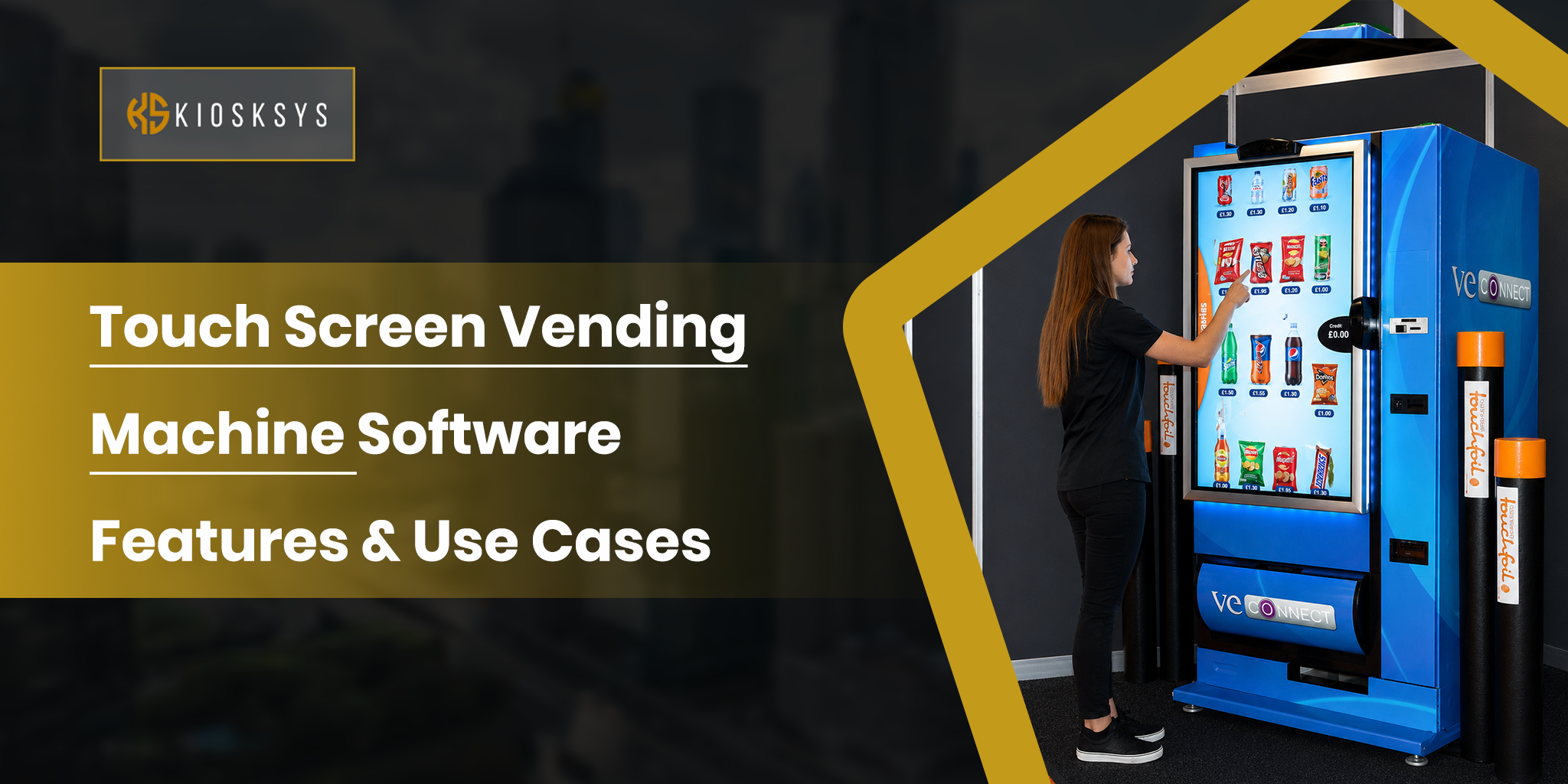
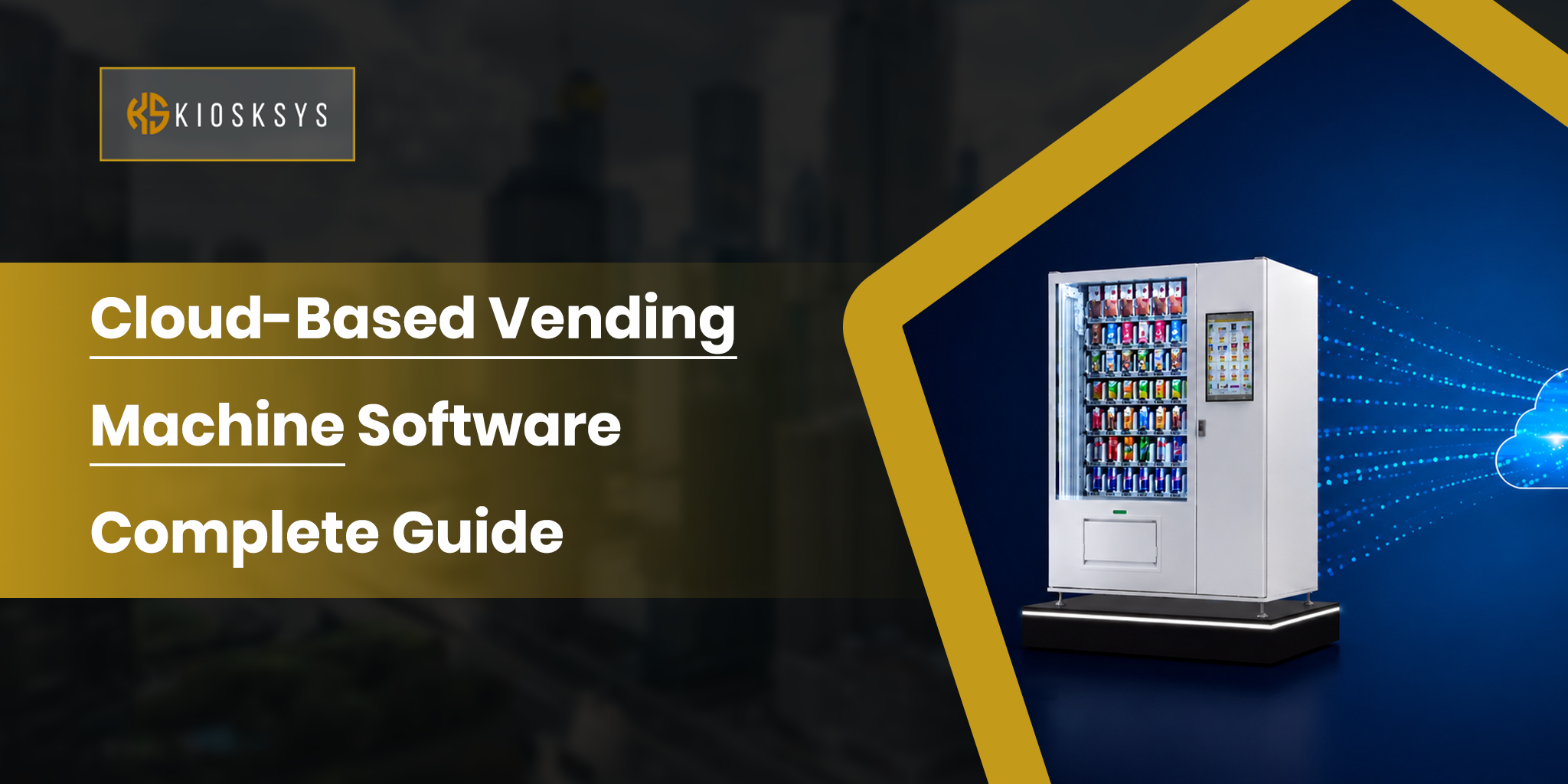
Cloud-based vending machine software is a system that connects vending machines to the internet and brings all operations into one place.
Sales data, stock levels, machine status, route planning, and payments are all visible in a single dashboard. Since it runs in the cloud, you can check everything in real time from anywhere.
Earlier, vending machines were managed through fixed routes. Drivers visited machines, checked stock, refilled items, and reported back. Between visits, there was no visibility. If a machine stopped working on Tuesday and the next visit was on Friday, that meant days of lost sales.
Cloud systems remove that gap. Machines stay connected and keep sending updates. If a machine goes offline, you know immediately. If a product is running low, you get alerted before it runs out.
The main difference is simple. Instead of reacting after problems happen, you see them early and handle them on time.
How Cloud Vending Machine Software Actually Works
Understanding how the system works helps you make better decisions when choosing or commissioning one.
Telemetry and Machine Connectivity
The connection between your vending machine and the cloud platform runs through telemetry. A telemetry device is fitted to the machine and uses a cellular or Wi-Fi connection to send data back to the software. This includes transaction records, inventory changes, payment types, error codes, and operational status.
For newer machines, this connectivity is often built in. For older legacy machines, a telemetry device can be retrofitted, meaning you do not necessarily need to replace your whole fleet to get cloud functionality.
The Cloud Platform
Once the data is flowing from the machine, the cloud platform is what makes sense of it. This is the software layer your team actually uses. It takes raw machine data and turns it into dashboards, reports, alerts, and management tools. Different team members can have different access levels. A route driver sees their assigned stops and stock requirements. A regional manager sees performance across all machines in their area. An owner sees the full picture.
Integrations
Cloud vending platforms do not work in isolation. A proper system connects to the other tools your business runs on. That might be your accounting software, your ERP system, a cashless payment provider like Nayax or Cantaloupe, a customer support platform, or a warehouse management tool. These integrations are what turn a vending software into a proper business management system rather than just a monitoring tool.
Key Features of Cloud Vending Machine Software
Not every platform offers the same things. Here are the features that actually make a difference in day-to-day operations.
Real-Time Inventory Tracking
This is the one feature that saves operators the most time and money. Instead of guessing what needs restocking, you see exact stock levels for every product in every machine at any moment. You can set low-stock alerts so you are notified before something runs out. You can see which products are moving fast and which are sitting. That information alone changes how you plan restocking runs.
Route Optimization
Cloud software analyzes sales data and current stock levels across all your machines and then builds the most efficient restocking route for your drivers. Instead of hitting every machine on a fixed schedule regardless of need, drivers go where they are actually needed. This cuts fuel costs, reduces unnecessary trips, and means drivers can service more machines in a day. Some operators report fuel savings of around 25 percent after moving to route-optimized cloud systems.
Remote Machine Management
You can adjust pricing on any machine without physically going there. Update the product planogram, change promotional messaging, modify temperature settings, and enable or disable individual product slots. All of it happens remotely and takes effect immediately. This is a big deal for operators managing machines across a large geographic area.
Cashless Payment Integration
Cash-only vending machines are increasingly a liability. Customers expect to pay by card, phone, or contactless. Cloud vending software integrates with cashless payment processors and handles the transaction recording, reconciliation, and reporting on your behalf. You can see how much revenue came from cash versus cashless across every machine, which also helps with location decisions.
Automated Alerts and Notifications
The system monitors your machines around the clock. You can configure exactly what triggers an alert and who receives it. A machine going offline sends an immediate notification to your operations team. Stock on a fast-moving product hitting 20 percent capacity sends a restock alert to the relevant driver. A dispensing failure on a specific slot triggers a maintenance ticket. The right alert goes to the right person without anyone manually checking anything.
Pre-Kitting and Warehouse Management
Before drivers leave the warehouse, the software calculates exactly what each machine needs based on current stock levels and sales velocity. This is called pre-kitting. Drivers load precisely what is needed for each stop rather than carrying a mix of everything and hoping for the best. Less waste, faster service stops, and more accurate restocking.
Sales Reporting and Analytics
The platform records every transaction across every machine. From that data, you can pull reports on your best-selling products by location, your highest-revenue machines, your slowest-moving stock, your peak transaction times, and your overall revenue trends. You can compare machine performance across locations, identify underperformers, and make data-backed decisions about product selection and pricing.
Mobile App for Drivers
A proper cloud vending platform includes a mobile app for route drivers. They can see their assigned stops for the day, view current stock levels at each machine before arrival, log what they loaded, report issues they find on site, and track mileage and time. All of that feeds back into the central platform automatically. No paper, no spreadsheets, no end-of-day data entry.
Who Uses Cloud Vending Machine Software?
Cloud vending software is used across different industries where vending machines need to be managed at scale with real time visibility.
Independent Vending Operators
This is the most common user group. Operators running anywhere from a handful of machines to several hundred use cloud software to manage routes, track stock, and get visibility into their numbers without needing a large back-office team.
Even small operators with ten or fifteen machines benefit from knowing exactly what is happening without driving to check.
Workplace and Corporate Environments
Companies use cloud connected vending machines to provide snacks, drinks, and basic supplies to employees.
Facility managers can see what items are being used most. They can adjust stock based on actual demand. They also get alerts when a machine needs attention, instead of finding out after it becomes a problem.
Healthcare Facilities
Hospitals and clinics use vending machines for medical supplies, PPE, and other consumables.
Cloud software adds access control so only authorized staff can take specific items. Every transaction is recorded for tracking and audits. In this setup, reporting and access control are not optional. They are necessary for safe operations.
Education
Schools and universities place vending machines in cafeterias, libraries, and shared spaces.
Cloud systems help administrators track what students are buying. This supports better planning and helps meet nutrition guidelines. It also reduces the need for frequent manual checks to restock machines.
Retail and Shopping Centers
Retail spaces use cloud managed vending machines for products like electronics accessories, snacks, and personal care items.
Operators can see sales trends in real time. They can run promotions based on location and demand. They can also manage multiple machines across different sites without needing more staff for each location.
Cloud Based vs Traditional Vending Software
The difference between the two shows up in day to day operations.
Traditional vending management depends on physical visits. A driver checks the machine, refills stock, and notes what has changed. That information is then shared later with the team. There is no live data. Decisions are based on reports that are already outdated by the time they are reviewed.
Cloud-based software gives you live data from every machine, automatically. No visit is required to see the status. No data entry lag. If something goes wrong, you know about it now, not on the next service cycle. If a product is selling out in two days at a particular location, the system can flag that before it becomes a stockout.
The operational difference compounds over time. Operators who move to cloud systems typically find they can manage a larger fleet with the same team, reduce unnecessary service trips, cut waste from overstocking slow-moving products, and make better decisions about which locations to expand or drop.
Free Vs. Custom Cloud Vending Machine Software
There are off-the-shelf cloud vending platforms available, and some basic ones are free or low-cost to get started. Tools like VendSoft, Parlevel, and Cantaloupe’s Seed platform are widely used and work well for standard operations.
But off-the-shelf software has limits. It is built for the average vending operation, not yours. If your business has specific workflows, specialized machines, unusual product categories, or deep integration requirements with existing systems, generic platforms often force you to work around the software rather than the software working for you.
Custom cloud vending machine software is built around how your operation actually runs. Your product catalog, your driver workflows, your reporting needs, your integrations. It connects to the systems you already use without workarounds. It scales the way your business scales. And it can be updated and extended on your timeline, not a vendor’s product roadmap.
The upfront cost of a custom build is higher. But for operators with specific needs or serious growth plans, it tends to pay off quickly in operational efficiency and avoided limitations.
What to Look for When Choosing Cloud Vending Machine Software
A few things worth pinning down before you make a decision.
- Does it connect to your machines? Not all platforms support all machine types. If you are running a mixed fleet or have older machines, check telemetry compatibility before anything else.
- What integrations does it support? If you use specific accounting software, a particular payment processor, or an ERP system, the vending software needs to connect to those properly. Ask for API documentation and test it with your actual systems.
- How does remote management actually work? Ask for a live demo of a remote price update, a remote reboot, and a real-time inventory view. If a vendor cannot show you these things live, that is worth noting.
- What does the mobile app look like for drivers? The back-end dashboard matters, but so does the tool your drivers use every day. A clunky driver app slows down routes and leads to data entry errors. Test it properly.
- How are alerts configured? You want granular control over what triggers a notification and who it goes to. A platform that only sends generic alerts to one email address is not going to serve a multi-person operation well.
- What does the full cost look like over two years? Software licensing is usually just the starting point. Factor in integration work, onboarding, hardware for telemetry if needed, and ongoing support. A cheaper license with significant implementation costs is not always the better deal.
Partner Up With KioskSys for Custom Cloud Vending Machine Solutions
Cloud-based vending machine software is not a luxury for large operators anymore. It is the practical choice for anyone who wants to run a vending business without being on the road constantly, making decisions on outdated information, and managing everything manually.
The machines are already out there doing their job. The software is what gives you visibility and control over all of them from wherever you happen to be. Get that right and the whole operation runs better.
At KioskSys, we build custom cloud-based vending machine software for operators who need something built around their specific operation. Whether you are running 20 machines or 200, and whether you are starting fresh or replacing a system that is no longer doing the job, we can build cloud based vending machine software that fits. Get in touch, and we will walk through what you are working with.