What is a Coffee Vending Machine?
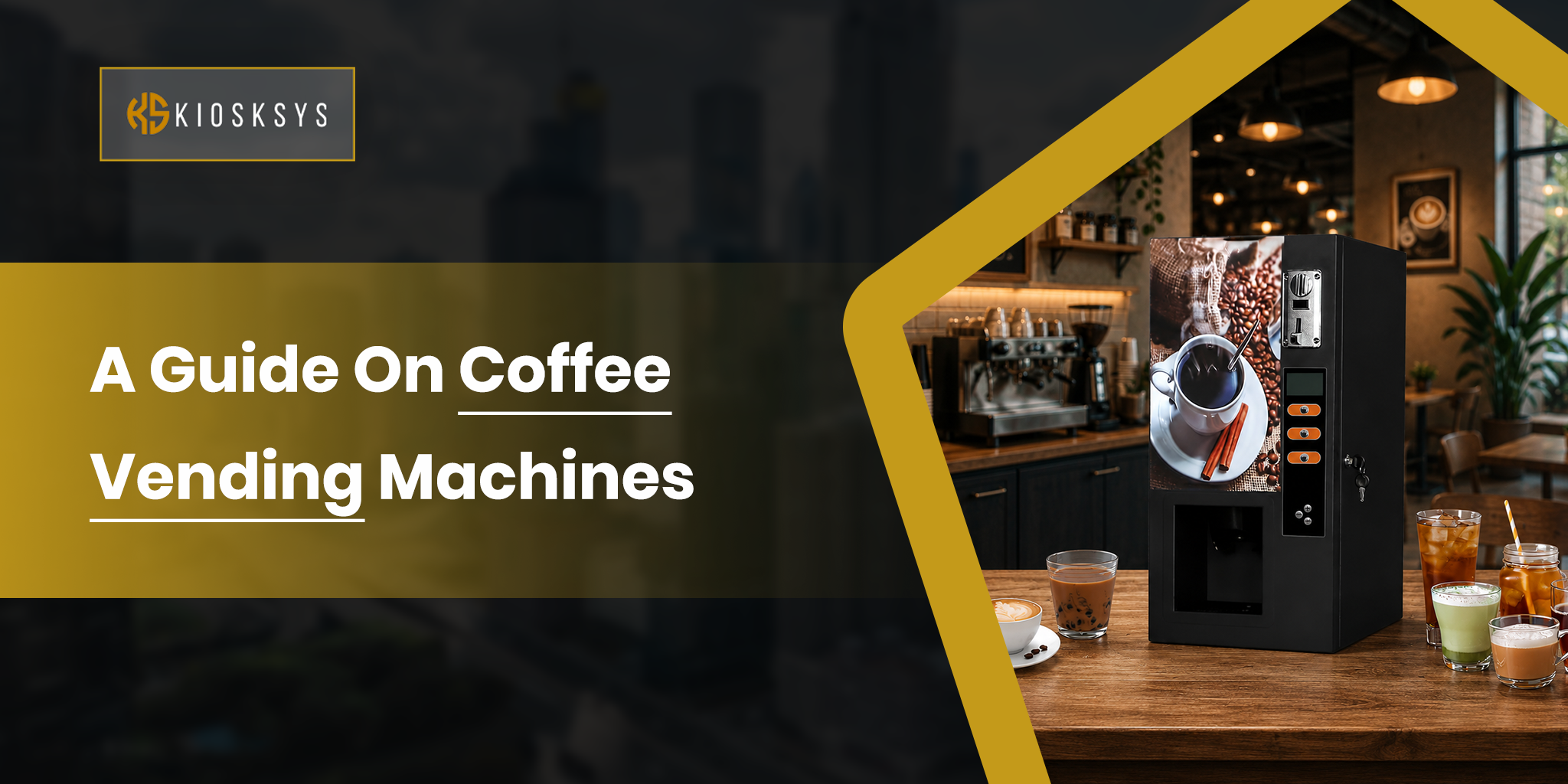
A coffee vending machine is a simple idea done very smartly. It delivers a cup of coffee exactly when you need it, without the usual waiting in lines. No need to measure anything or do things manually. But over time, it has evolved into much more than just a quick fix.
Today’s machines are actually designed to offer quick convenience and easy choice. Whether you want a quick espresso between your meetings or a cappuccino during a break, they handle the process smoothly in the background.
You don’t have to think about brewing time or the cleanup that comes after it. Thanks to these machines and the software in them, it’s all taken care of.
What makes them truly useful is how naturally they fit into the busy environments of today. They don’t interrupt the flow of your day; they support it. And in spaces where time matters so much, that small convenience can make a noticeable difference.
Where did the Concept of Coffee Vending Machines Come from?
The idea didn’t start with coffee, it started with the need for quick and self-service access to everyday essentials. This is already becoming popular in most things, why not coffee too?
Early vending machines were simple, mechanical devices designed to dispense items like snacks or drinks with minimal effort. Coffee came into the picture later, as workplaces and public spaces began looking for faster ways to serve a growing demand.
As coffee culture expanded, especially in busy urban environments, the gap between quality and convenience became more noticeable. But ways to live up to these standards were needed.
Traditional methods, while great in experience, didn’t always fit into settings that move fast. That’s where the concept of coffee vending machines began to take shape. And with custom vending software becoming more popular, automation became a part of the everyday need for a reliable cup of coffee.
Over time, what started as basic instant coffee dispensers evolved into more advanced machines capable of delivering a variety of beverages with consistent taste.
What are the Main Components of a Coffee Vending Machine?
Behind the quick interactions that a coffee machine works with is a system made up of multiple components working in perfect coordination. Each part has a defined role, and the quality of your coffee often depends on how well these components perform together.
Let’s break down the key elements that make it all happen:
Heating Element
The heating element in your machine is one of the most critical parts of the machine because it directly affects the taste of the coffee. Its job is to heat water to an optimal temperature. Usually, this range allows proper extraction of flavor from the coffee. If the water is too hot, it will burn the coffee and end up creating a bitter taste. If it is too cool, the coffee may come out weak or under-extracted.
Modern vending machines are designed to maintain consistent temperature levels throughout the day, even with repeated use.
Grinder
Not all vending machines include a grinder, but the ones that do offer a noticeably fresher experience. The grinder processes whole coffee beans into fine grounds just before brewing, which helps preserve aroma and flavor.
A good grinder produces uniform particles, which leads to even extraction. Poor grinding can result in uneven flavor.
Powder Canisters
Powder canisters are where the machine stores its key ingredients:
- Coffee powder,
- Milk powder,
- Sugar,
- Chocolate mix
- Other premixes
These containers are designed to keep ingredients dry, fresh, and ready for use over extended periods.
Control Board
The control board acts as the brain of the entire system, kind of like the CPU of a computer. It processes things like:
- User input
- Manages timing
- Controls ingredient flow
- Ensures that every component works in sync
When you select a drink, the control board sends instructions to the grinder and dispensers in a specific sequence.
In more advanced machines, the software in the control board also handles features like customization and maintenance alerts.
Drop Sensor
The drop sensor might seem like a small detail here compared to everything else a coffee vending machine can do, but it plays a pretty important role in maintaining cleanliness and preventing waste. Its job is to detect whether a cup is placed correctly before dispensing begins. If no cup is detected, the machine will pause or stop the process to avoid spills.
How Do Coffee Vending Machines Work?
If you look at it at a glance, it will feel almost instant. You’ll just make a selection, and within moments, your coffee is ready. But behind that quick process is a sequence of planned steps, designed to deliver consistency without slowing you down.
Here’s how it all comes together:
Payment & Selection
The process to acquire your coffee begins with straightforward user input through the software. Depending on the machine, this could involve using a card or scanning a QR code to pay. Once the payment (if required) is confirmed, you choose your drink from the options that are available. After this step, the main action begins.
Ingredient Dispensing
The machine starts measuring out ingredients. Based on your choice, it dispenses precise amounts of:
- Coffee powder
- Milk powder
- Sugar/sweetener
- Chocolate/vanilla
- Any other required premixes
This stage is all about accuracy. The machine makes sure that the proportions are consistent every single time.
Water Heating & Mixing
At the same time, water is heated to the required temperature. The machine carefully controls this because temperature plays a big role in how the coffee turns out. Once heated, the water is directed into a mixing chamber where it combines with the dispensed ingredients.
Brewing (Bean-to-Cup)
In more advanced machines that use fresh beans, there’s an additional step. The machine grinds the beans on demand and then brews the coffee under controlled pressure and timing. This process is closer to what you’d expect from a café-style machine, resulting in richer flavor and stronger aroma.
Dispensing & Cleanup
Finally, this prepared coffee is poured into the set cup. Once the dispensing is complete, the machine runs a quick internal rinse. If not, i will perform a reset cycle to keep the system clean and ready for the next use. This automatic cleanup helps maintain hygiene.
What are the Types of Coffee Vending Machines?
Not all coffee vending machines are built the same, and that’s actually a good thing. Different environments have different needs, and manufacturers respond by creating machines that fit specific use cases. Building custom softwre allows businesses to furthr personalize their coffee vending machines.
Dedicated Hot Beverage Machines
These are the most focused and straightforward machines. As the name suggests, they’re designed specifically for hot drinks. This is primarily coffee, but often tea and hot chocolate as well.
Multi-Purpose Models
If variety matters, multi-purpose machines step in. These are designed to offer a wider menu with multiple coffee styles and sometimes even cold beverages depending on the model.
Compact and Space-Saving Units
Not every space can accommodate a large machine, and that’s where compact models become practical. this is because they are small. These coffee vending machines are designed to fit into smaller offices or tight corners without compromising too much on their functions.
Heavy-Duty Machines
You’ll typically find these heavy-duty coffee vending machines in factories or public spaces. These examples are mentioned because this is where usage is constant throughout the day. They are designed to handle high demand without frequent breakdowns. They often come with larger ingredient capacities and more durable internal components.
Conclusion
Coffee vending machines might be the future of coffee. Coffee lovers are living it, because what’s better than having your favorite drink available easily everywhere you go? The software gives it a nice technological feel, and businesses can even customize it to deliver more personalized and unique experiences.