What Is an AI Vending Machine?
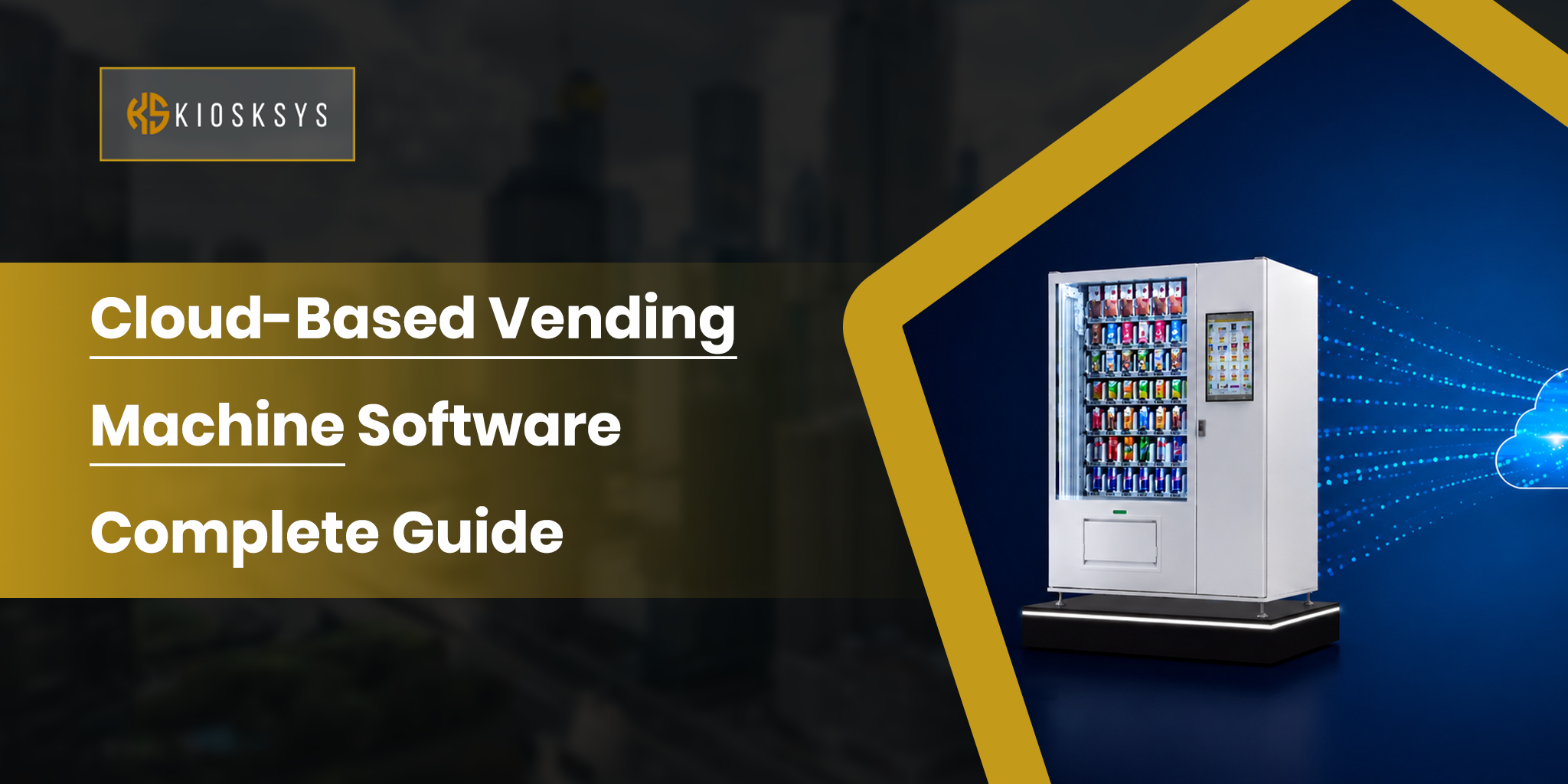
An AI vending machine is a self service machine that uses smart technology to handle product tracking, payments, and inventory automatically.
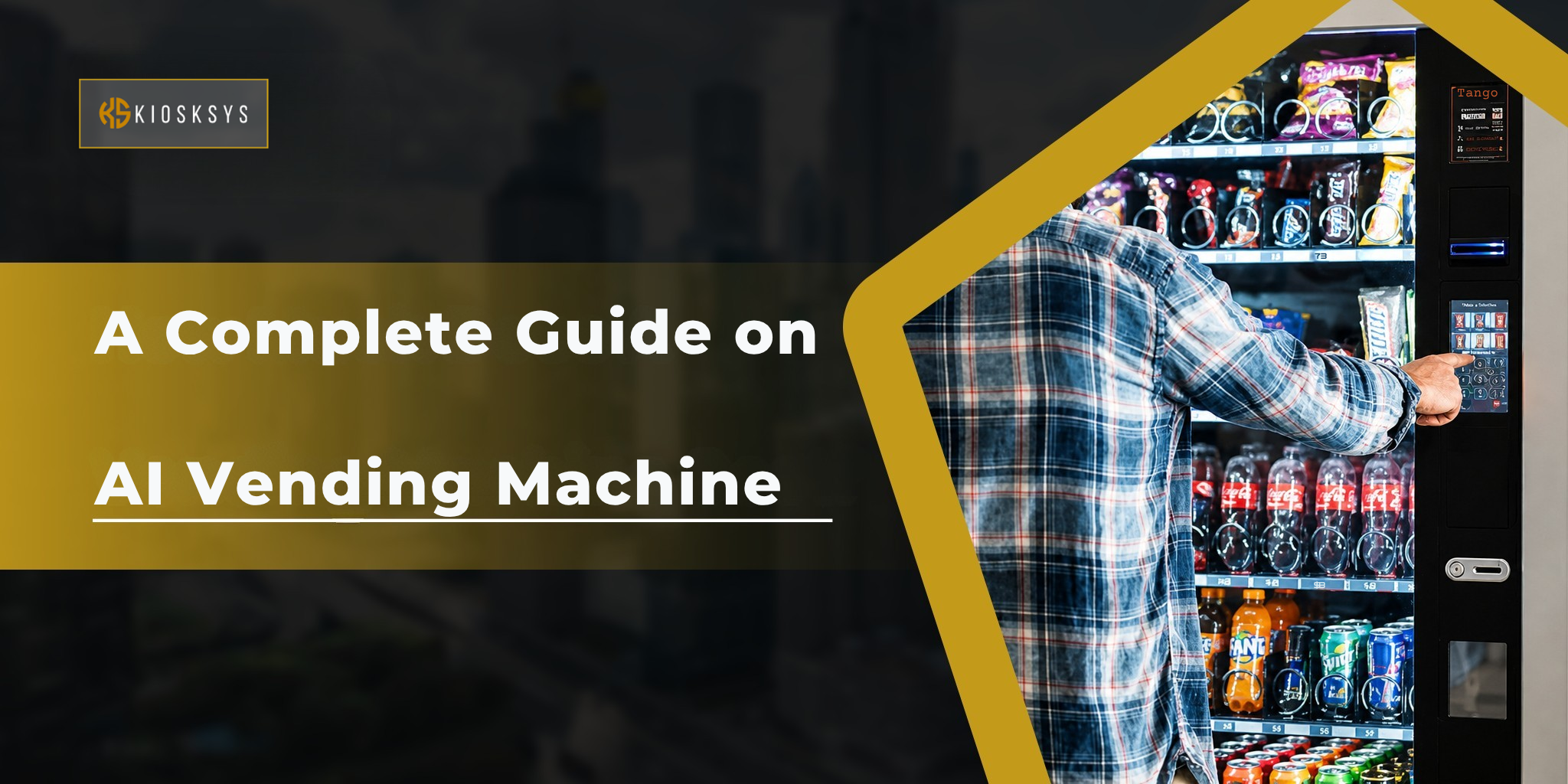
It works differently from a traditional vending machine. Older machines use buttons, coils, and coin slots to release products. AI vending machines are more like small smart stores. Customers open the machine, take the items they want, and leave. The system uses cameras and sensors to track what was taken and charges the customer automatically.
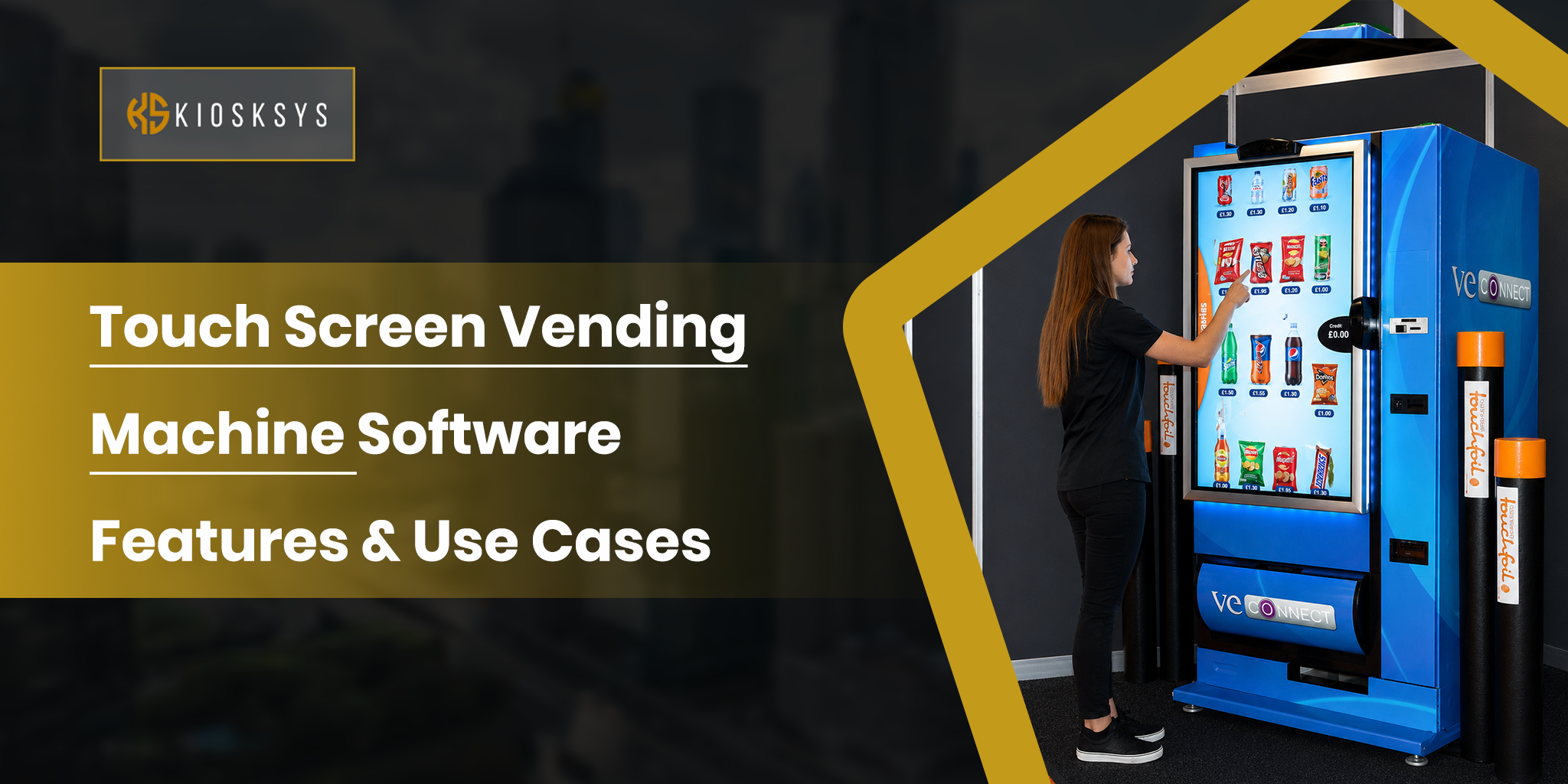
Some AI vending machines work like smart fridges or coolers. Others use touchscreens where customers browse products and pay before the machine opens. The design may change from one machine to another, but the main idea stays the same. The machine handles tasks that would normally need a cashier or staff member.
How an AI Vending Machine Differs From a Traditional Vending Machine
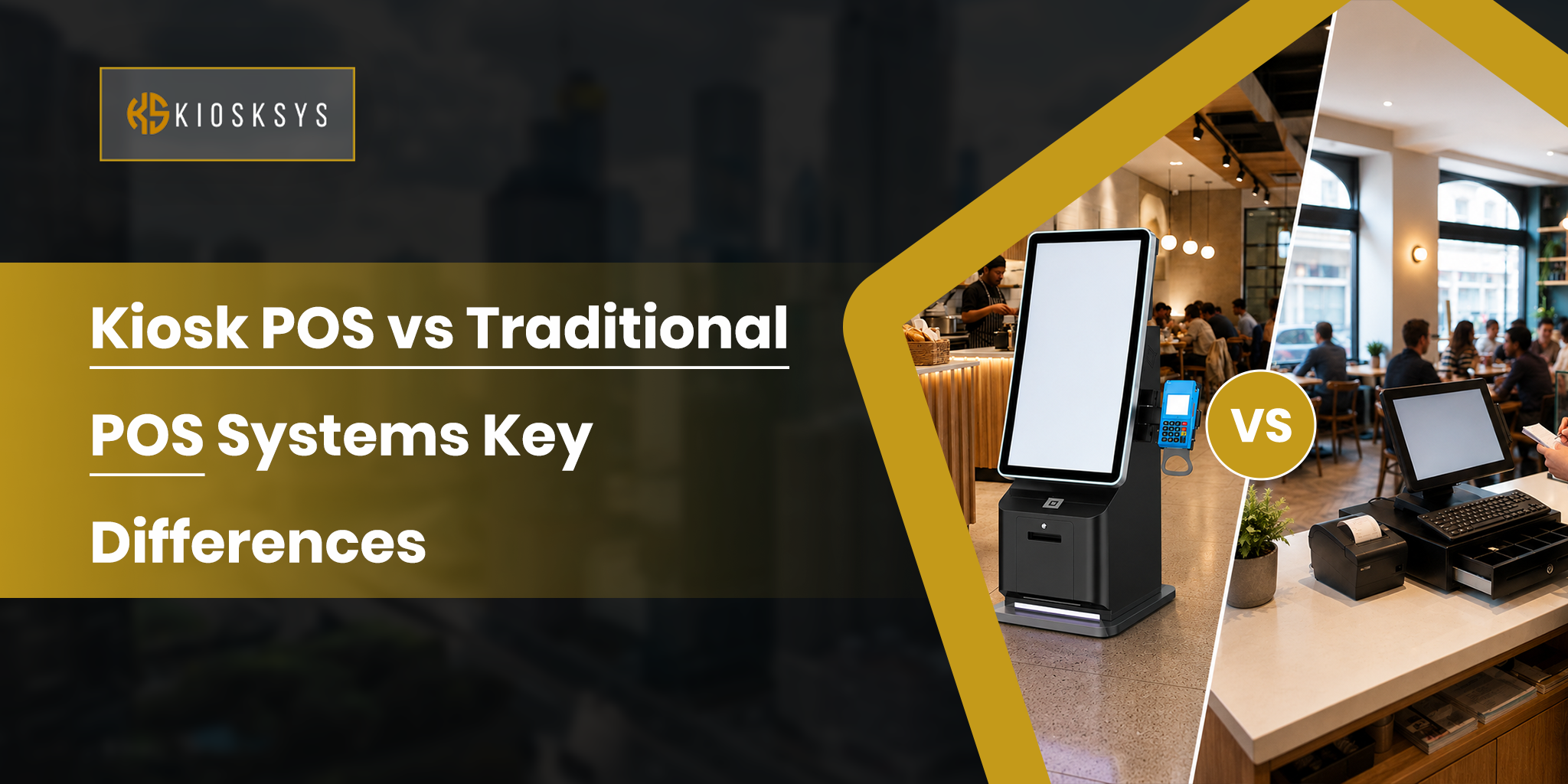
A traditional machine is mechanical. It stores products in a coil or tray. A motor releases the product when a button is pressed, and payment is confirmed. It jams. It gets stuck. It only sells one item at a time. You have no idea what is running low until you physically visit and check.
An AI vending machine is software driven. It tracks every item in real time. It knows what is selling, what is about to run out, and when it was last restocked. It accepts cards, contactless, and mobile payments. It does not jam because there are no coils. And you manage it remotely from your phone or dashboard.
How Does an AI Vending Machine Work?
The process looks simple from the customer’s side. That simplicity is the result of several technologies working together behind the scenes.
Step by Step: The Customer Experience
The customer walks up to the machine. They tap their card, phone, or mobile wallet on the payment terminal. The machine places a pre authorization hold to verify the payment method. The door unlocks.
The customer opens the door, browses the products, and picks what they want. If they change their mind and put something back, the system registers that too. They close the door and walk away. The machine calculates the total based on what was actually taken and charges that amount. A digital receipt is sent if set up.
The whole process takes under 30 seconds.
The Technology Behind It
Computer Vision: Wide angle cameras inside the machine watch every product on every shelf. When the door opens, the system creates a baseline inventory map. When items are moved, the AI compares the before and after states and identifies what was taken. This is how it knows exactly what to charge.
Weight Sensors: Many machines combine cameras with shelf level weight sensors. If a camera cannot clearly identify a product, the weight change on the shelf confirms what was removed. The two systems work together for higher accuracy.
RFID Tags: Some machines use RFID chips on individual products instead of cameras. Each item has a tag. When it is removed, the reader detects it instantly. RFID is common for high value products like electronics or premium health items.
Real Time Inventory Sync: Every transaction updates the inventory count in the cloud instantly. Operators see exactly what is in stock from any device. They can set low stock alerts, view sales by product, and plan restocking trips based on actual data instead of guessing.
Cashless Payment Processing: AI vending machines support card and mobile payments. Customers can pay with credit cards, debit cards, Apple Pay, Google Pay, and contactless payments. Most machines do not accept cash anymore. In many cases, the payment is approved before the machine even opens.
Remote Management Dashboard: Operators can manage the machine from a cloud dashboard. They can change prices, check inventory, update product images, and run discounts without visiting the machine. Everything can be controlled remotely.
Which Businesses Should Use an AI Vending Machine?
AI vending machines are not only for snacks and drinks. Many different businesses use them today. The real question is whether your products and location are a good match for this type of setup.
Best Locations for Placement
Location is the single biggest factor in whether a vending machine makes money. The technology does not matter if foot traffic is low.
Office Buildings: Workers need quick access to food and drinks without leaving the building. Repeat customers buy daily. Offices with 200 or more employees are ideal. Revenue tends to be higher here than in most other placements.
Gyms and Fitness Centers: High demand for protein bars, energy drinks, and recovery items. Customers are already spending on health and are willing to pay more. Consistent daily traffic.
University and College Campuses: High foot traffic, long hours, and a customer base that is comfortable with cashless and contactless payment. Students buy frequently and explore different products.
Hospitals and Healthcare Facilities: Staff and visitors need 24 hour access to food and essentials. Limited nearby options in many hospital settings. Consistent demand around the clock.
Hotels and Resorts: Guests want convenience at any hour. Lobby or corridor placements serve guests who do not want to go out. High margin products work well here.
Apartment Complexes: Lobby placements serve residents who want convenience without leaving the building. Good for late night traffic.
Airports and Transport Hubs: Very high foot traffic. Customers are in a hurry and will pay a premium for convenience. Products with a longer shelf life work best.
What Products Can You Sell
AI vending machines are not limited to chips and soda. The technology handles:
Fresh meals and sandwiches, beverages and energy drinks, protein bars and health snacks, frozen items, skincare and personal care products, electronics accessories, over the counter health products, and premium specialty items.
The product mix you choose should match the location. A gym placement calls for a different selection than a hotel lobby.
What Are the Key Features to Look for in an AI Vending Machine
Not every machine on the market is built equally. If you are buying or investing in one, these are the features that actually matter.
Computer Vision and Product Recognition Accuracy
This is the core of the machine. The cameras and recognition software need to handle multiple items being picked up at the same time, customers returning items, and poorly lit shelves. Ask for accuracy rates before you buy. Most reliable systems run at 95% accuracy or higher.
Remote Inventory and Dashboard Access
You should never have to visit a machine just to check stock levels. The dashboard should show real time inventory, sales by product, and low stock alerts from any device. This is what allows you to scale beyond one machine without losing control.
Cashless Payment Support
The machine must accept card, contactless, and mobile wallet payments. Machines that only accept cash or only accept one payment type will lose sales. Most AI vending customers expect tap to pay.
Dynamic Pricing
Some machines allow you to adjust pricing remotely based on time of day, demand, or expiry date. This helps clear stock before it expires and increases margins during peak hours.
Theft Prevention
Good machines use pre authorization payment holds before the door opens and camera logging of every session. If a dispute comes up, the session record shows exactly what happened. This protects you as an operator.
Maintenance Alerts
The machine should flag issues automatically. Temperature changes, connectivity drops, low battery on peripheral devices, and door seal issues should all trigger alerts before they become bigger problems.
How Much Does an AI Vending Machine Cost?
This is one of the most searched questions for a reason. The cost range is wide, and understanding why it is helps you make a better decision.
Machine Cost by Tier
Entry Level ($3,000 to $8,000): Smaller units with core AI features. Smart inventory tracking, cashless payments, and basic remote management. Good starting point for first time operators or lower traffic locations.
Mid Range ($8,000 to $15,000): Larger capacity, better cameras, more advanced product recognition, and wider payment options. Better for high traffic locations or operators scaling a route.
Premium ($15,000 and above): Large format machines, specialized builds for frozen food or electronics, higher camera resolution, and advanced software integrations. For serious operators or businesses deploying multiple units.
Ongoing Costs to Budget For
Beyond the machine purchase, plan for these monthly expenses:
Software subscription fees of $30 to $50 per month per machine. Payment processing fees of around 2.5% to 3% per transaction. AI recognition fees, which some providers charge per transaction at around $0.05 to $0.07 per sale. Electricity costs around $20 to $40 per month per unit. Insurance of $35 to $70 per month for premium units. Location commission fees if you do not own the space.
Revenue Expectations
A machine in a moderate traffic location typically generates $600 to $900 per month. A well placed machine in a gym, office, or hospital can reach $900 to $1,400 monthly. High traffic placements with strong product pricing can exceed $1,400 per month. Most operators see break even within 12 to 18 months.
How to Start an AI Vending Machine Business
Starting this business is easier than most people think. You just need to take it step by step.
Step 1: Decide Your Setup
First, decide how you want to run the business. You can start it as a full vending business where you own everything, fill the machine, and keep the profit. Or you can add a machine to your existing shop or office. If you place it inside your own business, you save money on location fees. You also keep more of the earnings.
Step 2: Pick the Right Machine
Next, choose a machine that fits your location and products. A machine in an office for snacks and drinks is different from one in a gym that sells health products. It is better to start with one machine first. Place it in a good location and see how it performs before adding more.
Step 3: Secure a Location
High foot traffic is non negotiable. Scout locations with 100 or more people passing daily as a minimum. Office buildings, gyms, universities, and hospitals are proven performers. Negotiate a placement agreement. Some locations take a commission of 10% to 20% of sales. Some charge a flat monthly fee. Some are free in exchange for providing the service.
Step 4: Sort Out the Business Basics
Register your business. Get a business license. Depending on your location and products, you may need a food handler permit or a vending permit. Check your local requirements before placing a machine.
Step 5: Stock and Launch
Load your initial inventory. Set your pricing through the dashboard. Test every product and payment method before going live. Set up your low stock alerts and confirm your remote access is working.
Step 6: Manage and Scale
Visit machines only when needed for restocking. Use your dashboard to track what is selling, adjust pricing, and plan restocking trips. Once your first machine is profitable, add more units in proven location types.
The Problem With Most Vending Machine Software
Here is something most guides do not talk about. The hardware is not usually the problem.
Most traditional vending machines still run on outdated software. The interface is slow. The reporting is basic. There is no remote management. You cannot push a price change without standing in front of the machine. Inventory data is delayed or missing. Integrating it with your existing business systems is nearly impossible.
Even some newer machines come with generic software that does not match how your specific business works. A hotel wants the machine to reflect its branding. A gym wants specific product categories displayed prominently. A corporate office wants the machine tied into their employee expense or subsidy system. Off the shelf software cannot do any of that out of the box.
That is the gap KioskSys fills. We build custom vending machine software around your specific hardware and business requirements. Whether you have existing machines with software that is holding you back, or you are deploying new hardware and want the software built right from day one, we develop the interface, the dashboard, the payment flow, and any integrations your operation needs.
If your vending machine works but the software does not, that is a fixable problem.
The Bottom Line
AI vending machines are a real business opportunity right now. The technology is proven, the hardware is accessible, and the demand for self service retail is growing every year. The barriers to entry are lower than most retail businesses, and the ongoing operational effort is minimal once you are set up well.
The most important decisions are location, product fit, and software. Get those three right, and the rest follows.
If you are planning to launch or scale a vending operation and want software that actually fits your business, not a generic dashboard you have to work around, reach out to KioskSys. We build it the way your operation needs it.