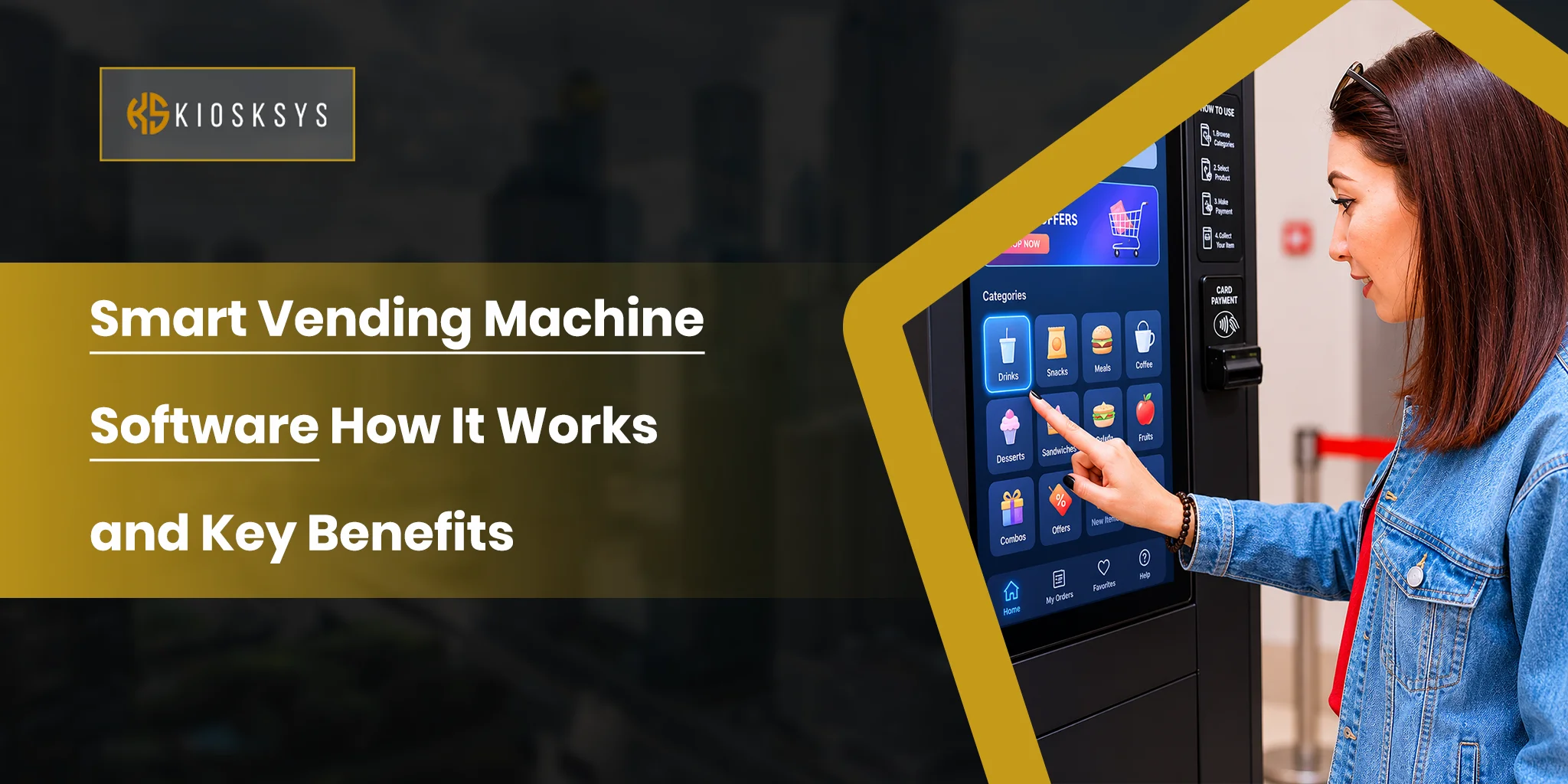
Smart Vending Machine Software: How It Works and Key Benefits
Traditional vending machines had one job. You put in a coin, you pressed a button, something came out. That was the entire relationship between the machine and the operator. No data. No remote visibility. No way to know what was selling, what was stuck, or whether the machine had been offline for three days.
Modern vending software changes all of that.
These aren’t just vending machines with a touchscreen on the front. They are connected systems that track every transaction and process digital payments without anyone operating them. Then they report back to a central dashboard in real time.
What is Smart Vending Machine Software?
Smart vending software is the platform that connects a vending machine to a larger digital ecosystem. Instead of operating as a standalone unit, the machine communicates continuously with cloud systems, payment gateways, inventory databases, and monitoring tools.
The software handles:
- Real-time inventory tracking across every product slot
- Cashless and contactless payment processing
- Remote machine monitoring and diagnostics
- Customer-facing interface management
- Transaction-level data and reporting
- Automated alerts for low stock, technical issues, or unusual activity
What makes this different from older vending systems is that everything is visible and manageable from a distance. An operator running a network of 50 machines doesn’t need to physically visit each one to know what’s happening. The software tells them.
The applications have also expanded well beyond snacks and drinks. Smart vending infrastructure is now being used in retail, healthcare, transportation hubs, corporate offices, universities, manufacturing facilities, and electronics distribution. The software layer is what makes that kind of flexibility possible, because it handles the logic regardless of what’s being dispensed.
How Does Smart Vending Machine Software Work?
The whole process runs through a connected system where the machine hardware, cloud platform, payment gateway, and monitoring tools are constantly exchanging data. Here is how each stage plays out.
Step 1: User Interaction
The process starts when a customer engages with the machine interface. Depending on the setup, that could be a touchscreen display, a mobile app, a QR code scanner, or a smart shelf system.
The software controls everything the customer sees. It displays available products, current pricing, nutritional details, promotions, and recommendations in real time. Advanced systems support multilingual interfaces and AI-driven suggestions based on previous buying behavior.
Unlike older machines with fixed programming, smart vending software lets operators update the interface remotely without touching the machine.
Step 2: Product Selection Verification
Once a customer selects something, the software checks whether that item is actually available and ready to dispense. This happens through integrated sensors inside the machine, which may include:
- Optical sensors
- Weight sensors
- RFID readers
- Coil monitoring systems
This step matters because it prevents the worst vending experience there is: paying for something that doesn’t come out. The system confirms availability before the payment goes through, logs product-level data in real time, and helps operators identify fast-moving items and restocking patterns.
Step 3: Payment Processing
After selection is confirmed, the software routes the transaction through an integrated payment gateway. Modern smart vending systems support:
- Debit and credit cards
- NFC contactless payments
- Mobile wallets
- QR code payments
- Biometric authentication in some advanced setups
Transaction data is encrypted and sent to the payment processor for real-time authorization. This is one of the biggest operational changes in the vending industry. Machines no longer depend on coins and cash to function. And the revenue impact is measurable.
One industry report found that cashless vending purchases averaged $2.24 compared to $1.78 for cash, and that consumers spent 55% more on average when using digital payment methods.
Step 4: Product Dispensing
Once payment clears, the software sends a command to the dispensing mechanism, and the machine releases the selected item.
The software monitors the delivery in real time. If a product gets stuck randomly or even fails to dispense correctly, the system can automatically trigger a refund workflow, attempt a retry, or send a technical alert to the operator. More advanced platforms use IoT sensors and machine learning to detect hardware issues before they cause full machine failures.
Step 5: Inventory and Data Update
After every completed transaction, the software updates inventory records instantly in the cloud management system.
Operators get live visibility into:
- Current stock levels across every machine
- Sales performance by product and location
- Machine health and operational status
- Refill requirements ranked by priority
- Customer behavior and purchasing patterns
This is what replaces the manual inspection model. Instead of sending staff to check every unit on a fixed schedule, operators can monitor everything remotely and act on actual data rather than guesswork.
What are the Benefits of Investing in Smart Vending Machine Software?
Many organizations across several sectors are now investing in smart vending software. No doubt, this is because of the countless advantages it gives them. Let’s take a look at some of them:
Increased Revenue with Cashless Payments
Cashless support is the most profitable thing in vending machines that come with software. When customers can pay instantly without needing exact change, the things that stop the impulse purchases disappear.
Multiple operators have reported revenue increases between 25% and 35% after implementing cashless payment systems.
The effect is especially noticeable in high-traffic environments like offices, universities, hospitals, and transit hubs, where customers expect fast digital transactions as a baseline.
Contactless and Secure Transactions
To align more with the modern world requirements, modern vending software supports several payment options, such as:
- Encrypted payment processing
- Tokenized transactions
- NFC-based tap payments
This reduces both risk and transaction time. Contactless options also reduce physical interaction with machine surfaces, which matters in public environments.
For operators, moving away from cash handling reduces the risks tied to manual reconciliation, theft, and cash collection logistics.
Cantaloupe’s 2025 Micropayment Trends Report found that 71% of vending transactions in 2024 were cashless.
Real-Time Inventory Management
This is one of the strongest operational arguments for smart vending software.
Traditional operations depend on fixed refill schedules or manual checks, which leads to predictable problems:
- Machines running out of popular items before the next scheduled visit
- Staff making unnecessary trips to machines that don’t need restocking
- Product waste from items that sat too long and expired
Real-time inventory management eliminates all of that. Operators know exactly what is in every machine at any moment, receive automated low-stock alerts, and can prioritize refill routes based on actual demand. That reduces labor hours, fuel costs, and product waste simultaneously.
Improved Security Features
Smart vending platforms provide security that goes well beyond physical locks. The software can:
- Track machine access and log every entry
- Monitor for unusual transaction patterns
- Detect tampering attempts and trigger alerts
- Integrate with surveillance tools
- Maintain cloud-based audit logs for every transaction
For operators managing large networks across multiple locations, this level of digital oversight is genuinely difficult to replicate through any manual process.
Sustainability
Better inventory data leads to more smooth and quicker operations, and the more they have a real environmental impact. When operators know exactly which machines need servicing, they can reduce unnecessary travel and optimize their routes.
Real-time sales data helps reduce expired inventory by making it possible to stock based on actual demand rather than estimates.
Some platforms also include energy management features that adjust cooling cycles and machine power usage during low-traffic periods.
Enhanced Customer Experience
Customer expectations around self-service technology are much higher than they used to be. People expect fast interfaces and digital payment options as standard features.
Smart vending software delivers on those expectations through:
- Touchscreen interfaces that are fast and responsive
- Faster payment approval and digital receipts that process quickly
- Loyalty program integration
- Mobile app connectivity
- Personalized product recommendations
When machines work consistently, and transactions feel effortless, people actually want to come back.
AI Demand Forecasting
More advanced vending platforms now include AI demand forecasting. Now, this isn’t something random; it goes beyond basic sales history. These systems analyze buying patterns as deeply as monitoring time-of-day behavior. It even checks the external factors like weather to predict future demand more accurately.
For example:
- A vending machine near a gym might see higher protein drink sales in the evening
- An office machine might need heavier coffee stocking on Monday mornings
An AI system basically identifies these patterns automatically and recommends inventory adjustments before any shortages randomly happen.
Conclusion
Smart vending machine software has turned vending from a simple mechanical transaction into a connected operation. The software now handles a lot more things than it once could, and it does all of this without requiring someone to physically be at the machine.
Frequently Asked Questions
What challenges do businesses face with modern vending management platforms?
The biggest challenges usually involve straightforward things, such as:
- initial setup costs
- Integration complexity with existing systems
- Payment compatibility
- Machine maintenance requirements
- Reliable internet connectivity
- Cybersecurity is also a real consideration since transactions and customer data need proper protection.
What is the future of intelligent vending technology?
The machines are getting smarter, and the software leading them is keeping pace. Here is what we can expect from their future:
- Stronger AI automation
- Predictive maintenance
- Computer vision technology
- More personalized recommendations
- Deeper integration with mobile commerce and retail analytics platforms.
Which industries benefit the most from connected vending systems?
Many industries are utilizing smart vending machine software these days, among the biggest adopters right now are:
- Retail
- Healthcare
- Transportation
- Education
- Manufacturing
- Hospitality
- Corporate offices
- Fitness facilities