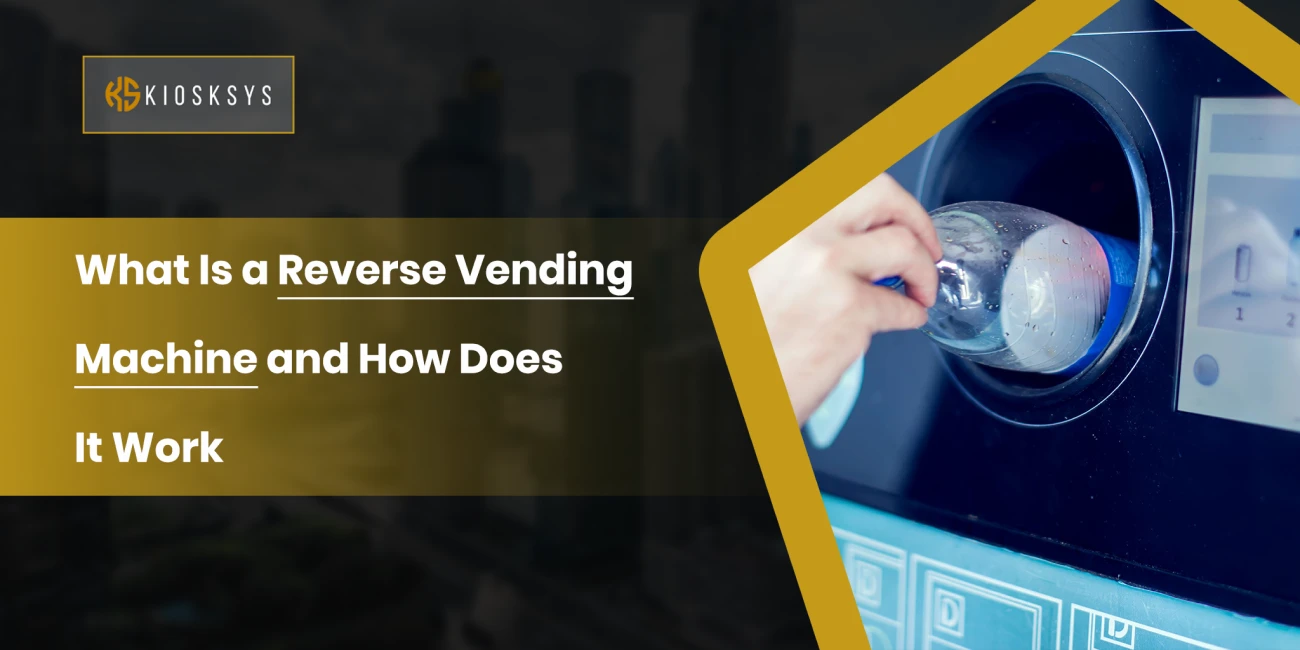
What Is a Reverse Vending Machine?
A reversal vending machine is an automated system that accepts used beverage containers and recyclable items from consumers. Rather than selling products, it collects. This may include empty containers, such as bottles and jars. It then checks them, sorts them, and hands back a reward in return.
The reward varies depending on where you are and what program the machine is part of. Some issue cash refunds. Others give out coupons, discount vouchers, or let you donate the value to a charity.
The main concept is simple enough. People bring back recyclable containers, the machine handles collection and sorting, and the materials go off to be recycled. In countries with established bottle deposit schemes, these container deposit machines have become as routine as returning a shopping trolley.
How Does It Differ from Traditional Vending Machines?
A standard vending machine moves products from the machine to the customer. An empty bottle return machine moves products from the customer to the machine.
A snack machine holds products until someone buys them. A reverse recycle vending machine holds empty containers until they can be collected and recycled. One takes your money, the other gives you something for what you bring.
The customer experience is completely different, too. Instead of spending, you’re receiving. That shift in dynamic is part of what makes these machines genuinely engaging rather than just another piece of recycling infrastructure.
What Materials Do Reverse Vending Machines Accept?
What a machine will take depends on its configuration, local regulations, and whatever deposit return program it’s part of.
Plastic Bottles
PET plastic bottles are the most commonly accepted item in most bottle return kiosk setups. Water bottles, soda bottles, and general beverage containers in PET plastic all tend to qualify. The machine scans each bottle and checks it against approved recycling criteria before accepting it.
Aluminum Cans
Soft drink cans and energy drink cans are another popular category. Aluminum is particularly valuable as a recyclable material because it can be processed and reused repeatedly without losing quality. A lot of deposit return programs prioritise it for exactly that reason.
Glass Bottles
Some automated can and bottle return systems accept glass as well. Glass handling requires more specialised mechanics because of the weight and fragility involved. It tends to be more common in regions that have had deposit programs running for longer and have the infrastructure to support it.
Other Recyclable Containers
More advanced machines can accept cartons, refillable containers, or specialised packaging depending on what the local program requires. The flexibility of modern systems means operators can configure them around specific recycling goals rather than being locked into one container type.
How Does a Reverse Vending Machine Work?
From the outside, it looks straightforward. Bottle goes in, reward comes out. What’s happening inside involves several technologies working together.
Step 1: Item Insertion
The user puts an empty bottle or can into the machine opening. Some machines take one item at a time, while others can process multiple containers quickly. The insertion area guides the container toward the scanning section.
Step 2: Identification and Verification
Once the container is inside, sensors and cameras start analysing it. The system checks the barcode, the shape and size, the material type, the weight, and whether the item is eligible for the deposit program. If the container doesn’t meet the criteria, it gets returned to the user.
Step 3: Sorting Process
Once the machine has verified the container, it sorts it by material type. Plastic goes to one section, aluminium to another. Many systems also compress containers at this stage to save storage space and reduce the cost of transporting them to recycling facilities.
Step 4: Reward Issuance
After the container has been processed, the machine issues the reward. Depending on the system that might be coupons, a cash deposit, digital credits, loyalty points, a charitable donation option, or rewards through a mobile app. The incentive is what keeps people coming back rather than just tossing the bottle in a bin.
Step 5: Data Recording
Every transaction gets logged. The machine records how many containers were processed, what materials came in, what rewards were issued, and how the machine is performing overall. That data is useful both for operators running the machines and for the recycling programs tracking environmental impact.
What Technology Powers Reverse Vending Machines?
Modern container return machines combine hardware and software in a way that makes the whole process automated and manageable at scale.
Hardware Components
The physical side includes scanners, cameras, sensors, compactors, storage bins, touchscreens, and payment devices. Optical sensors handle product recognition. Compaction units reduce the volume of materials inside the machine. Touchscreen displays walk users through the process and show reward information. Internal storage keeps different materials separated until collection.
Software Components
The software is what ties everything together. Management platforms track machine activity, monitor performance, and generate reports. Operators can check transaction histories, reward usage, machine status, and collection volumes through centralised dashboards. The software also handles product recognition logic, reward calculations, and the user interaction flow.
Connectivity and IoT Integration
Most modern automated recycling machines connect to cloud platforms over the internet. This gives operators live visibility into machine performance, how full the storage bins are, and whether anything needs attention. If a machine is getting full or develops a technical problem, an alert goes out automatically.
That connectivity is what makes it practical to run a large network of these machines without having staff constantly visiting each one.
Where Are Reverse Recycling Vending Machines Used?
As sustainability programs expand, beverage container recycling machines are appearing in a growing range of locations.
Supermarkets and Retail Stores
Retailers are one of the most common hosts for these machines, typically near entrances or in car parks. Customers can drop off containers during a shopping trip and redeem the reward immediately. It fits naturally into a routine people are already doing.
Shopping Malls
Large shopping centres use container deposit machines as part of environmental initiatives, sometimes connecting the rewards directly to stores within the mall to drive foot traffic alongside the sustainability angle.
Airports and Transport Hubs
Airports produce enormous amounts of beverage container waste every day. These type of vending machines give travellers a convenient way to recycle before boarding. Train/bus stations benefit from the same logic.
Schools and Universities
Educational institutions use bottle return kiosks to build sustainable habits among students. Some run recycling competitions or environmental programs built around them, which turns participation into something with a social and competitive dimension rather than just an obligation.
Smart City Recycling Programs
Cities around the world are integrating automated container return systems into public recycling infrastructure. Connected machines allow city programs to monitor recycling volumes across multiple locations in real time, which feeds directly into measuring progress against waste reduction targets.
What Happens to the Collected Materials?
Most people assume the process ends the moment the bottle goes into the machine. That’s actually just the start.
Sorting and Compaction
Inside the machine, materials are separated by type and usually compressed. Compaction reduces storage requirements and lowers the cost of transporting everything to a recycling facility.
Transportation to Recycling Facilities
Once the bins are full, operators collect the materials and send them to recycling centres. Because the containers have already been sorted inside the machine, the recycling process at the facility is significantly more efficient than handling unsorted waste.
Processing Into Raw Materials
Recycling facilities clean, shred, melt, or otherwise process the materials into reusable raw materials. Plastic becomes pellets. Aluminium gets melted down. Glass gets processed for reuse in manufacturing.
Reuse in New Packaging or Products
Those raw materials eventually come back into the market as new bottles, containers, packaging, textiles, and consumer products. The circular loop closes, and the material’s value is preserved rather than lost to landfill.
What Is the Role of Software in Modern Reversing Vending Machines?
Software has become one of the most important parts of the whole operation, particularly for anyone running more than a handful of machines.
Remote Monitoring and Alerts
Operators don’t need to physically visit each machine to know what’s going on. Software platforms send notifications when machines need maintenance or collection, which makes it possible to manage a large network efficiently.
Inventory Tracking
Fill level monitoring tells operators exactly when bins are approaching capacity. That prevents overflow situations and means service visits happen when they’re actually needed rather than on an arbitrary schedule.
Reward Program Management
Software handles the customer incentive side. They manage coupons, digital wallets, and loyalty points. Businesses can run customised reward campaigns to drive engagement and encourage more frequent participation in the recycling program.
Data Analytics and Reporting
Every transaction generates data. Recycling volumes, popular locations, participation rates, and environmental impact figures. That information helps organisations understand what’s working, where to expand, and how to improve future sustainability initiatives.
Multi Machine Network Management
Organisations running multiple container return machines, whether across a retail chain, a university campus, or an entire city, can manage everything through one dashboard. That centralised visibility makes the difference between a scalable operation and one that becomes chaotic past a certain size.
Conclusion
These vending machines have changed how a lot of people think about recycling. An empty bottle that used to go straight in the bin now has a clear return path and a reward attached to it.
The technology behind these automated recycling systems brings together hardware, software, connectivity, and incentive design to create something that’s actually engaging to use rather than feeling like an obligation. Consumers get rewarded. Businesses meet sustainability goals. And recyclable materials stay in circulation rather than ending up as waste.
As environmental pressure from governments, consumers, and investors continues to build, container deposit machines are going to become a more common fixture in retail, transport, education, and public spaces. They’ve already moved well beyond being a curiosity in Scandinavian supermarkets. They’re becoming standard infrastructure for how modern recycling actually works.