What Is a Gym Vending Machine?
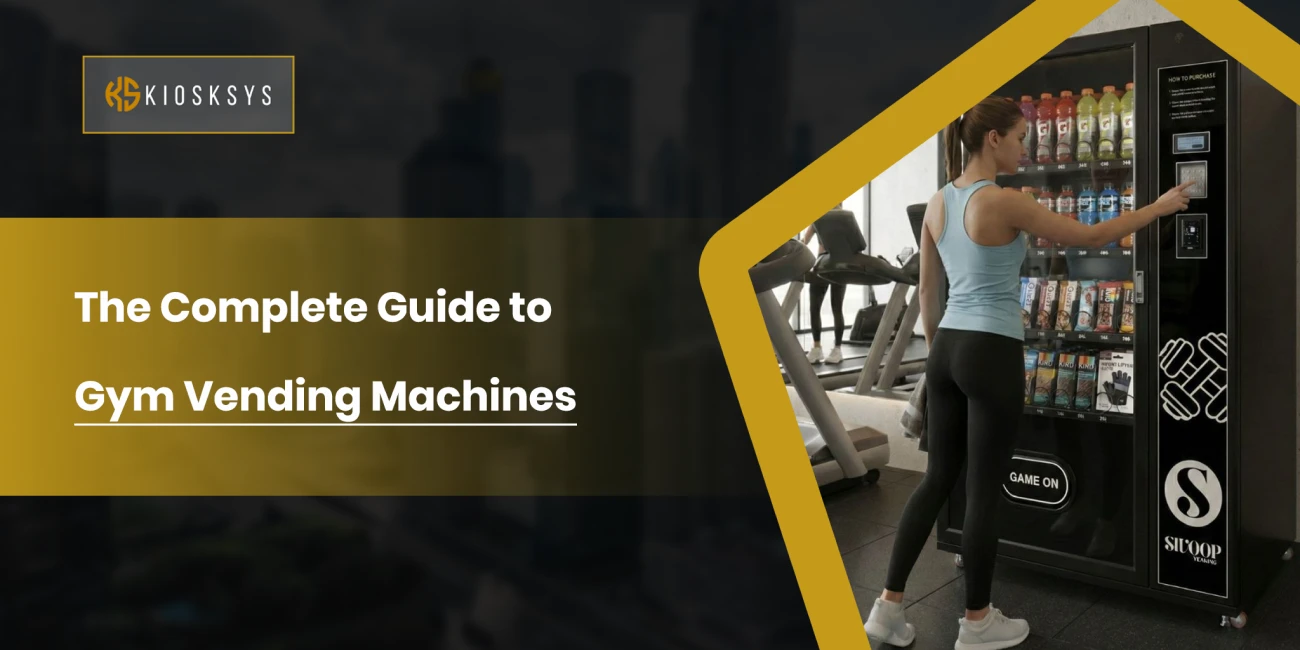
A gym based vending machine is a self service retail unit placed inside fitness centres and wellness spaces. Unlike the machines you’d find in an office break room, these are built around the needs of people who are actively working on their health.
Members can pick up certain supplements and healthy snacks/drinks, or even small workout accessories, before or after training. Now, most modern fitness retail kiosks also support cashless payments, touchscreen interfaces, and remote management, which makes the whole operation considerably easier to run than it used to be.
The goal is straightforward: give members access to what they already want, right when they want it, while making life simpler for whoever’s running the facility.
What are the Types of Vending Machines for Gyms?
Not every gym needs the same setup. The right type of machine tends to come down to size and how much floor space is available.
Snack Vending Machines
Snack focused athletic vending machines tend to carry things that actually fit an active lifestyle rather than the usual junk food selection. They usually come with options like:
- Protein bars,
- Granola,
- Nuts,
- Trail mix,
- Other fitness-friendly options
They make up most of the inventory. These work well in smaller gyms where members mainly want something quick between or after sessions.
Beverage Vending Machines
Hydration matters a lot in the environment of a gym, which makes beverage machines consistently strong performers. These machines usually have these things in their inventory:
- Bottled water,
- Electrolyte drinks,
- Protein shakes,
- Energy beverages,
- Sports drinks
A lot of members buy something immediately before or after training, making these machines some of the most reliably profitable in the fitness space.
Combination Machines
Combination units cover both snacks and drinks in a single machine, which saves space and gives members more to choose from. For gyms that don’t have a huge amount of floor space to dedicate to retail, these tend to offer the best balance between variety and practicality.
Smart Retail Kiosks
More and more fitness facilities are moving toward smart retail kiosks that go well beyond what a traditional vending machine can do. They come with features like:
- Touchscreens,
- Multiple payment options,
- Real-time inventory tracking,
- Cloud connectivity
They make these systems function more like a small automated store. Members can perform a number of actions, from browsing products to completing purchases, through a proper interactive interface.
What Are the Common Products Sold in Fitness Machines?
What’s actually inside a fitness vending unit has a direct effect on how well it performs. Getting the product mix right matters more than most people initially expect.
Protein Bars
Protein bars are consistently the top seller in gym vending setups. Members grab them after workouts when they need something quick and convenient, rather than stopping somewhere on the way home.
Energy Drinks
Energy drinks sell well in the pre-workout window, especially during the busier morning and evening training hours when people are looking for a boost before they get started.
Pre Workout Supplements
Plenty of gym members forget to bring their supplements from home. Having pre-workout products available inside the facility solves an immediate problem and tends to generate solid sales as a result.
Hydration Products
Electrolyte beverages, coconut water, flavoured water, and sports drinks are staples in any health club vending machine. The demand is consistent because staying hydrated isn’t optional when you’re training hard.
Recovery Snacks
Post-workout nutrition matters to a lot of gym members. Protein cookies, healthy snack mixes, and recovery focused options attract people who want convenient fuel after training without having to drive somewhere to find it.
Gym Accessories
Some modern wellness vending machines sell smaller fitness accessories alongside food and drink. Resistance bands, towels, lifting straps, gloves, shaker bottles, and even earbuds. These items solve immediate problems for members who forgot something at home, and they tend to be high margin products when they sell.
What Software Features Should You Look for in a Modern Gym Vending Machine?
The hardware gets people’s attention, but the software is what determines how smoothly and profitably the whole operation runs.
Smart Inventory Management
Good inventory tracking means you always know what’s selling and what needs restocking without having to physically check every machine. Remote visibility into stock levels prevents the situation where a machine sits half empty for days before anyone notices.
Sales Analytics
Sales data helps you understand what your members actually want to buy, when they’re buying it, and how purchasing patterns shift across seasons or times of day. That information makes restocking decisions much sharper and directly affects revenue.
Cashless Payments and Transactions
Most gym members don’t carry cash, especially not during a workout. Card payments, mobile wallets, and contactless transactions aren’t optional at this point; they’re what members expect. Cashless systems also tend to increase overall sales because removing payment friction means fewer abandoned purchases.
Remote Machine Monitoring
Being able to check machine status from anywhere means problems get caught before they affect members. Low inventory alerts, payment system issues, or technical faults can be flagged and dealt with quickly rather than discovered during the next scheduled visit.
Multi Location Management
For anyone running more than one gym or vending location, a centralised dashboard is genuinely important. Monitoring every fitness vending unit from one platform is considerably more practical than checking each location separately.
How Does Gym Vending Machine Management Software Work?
The system running behind a modern athletic vending machine is more sophisticated than most members realise.
Hardware Components
Payment Terminals
Payment terminals handle card payments, mobile wallets, and contactless transactions, communicating directly with the management system after every purchase.
Product Dispensing Systems
Motors, sensors, and dispensing mechanisms make sure products actually get to the customer correctly after payment goes through.
Touchscreen Interfaces
Touchscreens make the buying experience better by displaying products clearly along with prices, nutritional information, and any current promotions.
Connectivity Modules
Cellular or wireless internet connectivity lets machines talk to cloud platforms in real time, which is what makes remote monitoring and automatic inventory updates possible.
Software Components
Management Dashboards
Operators use dashboards to keep tabs on machine performance, sales activity, and inventory across all their locations from one place.
Inventory Tracking Systems
Inventory software updates stock counts automatically after every transaction, which keeps the numbers accurate throughout the day without manual input.
Sales Analytics Platforms
Analytics tools turn raw transaction data into something actually useful for making decisions about products, pricing, and restocking schedules.
User Management Tools
Admin tools let different team members access specific features based on what they need to do, keeping sensitive operational data appropriately controlled.
How Everything Works Together
The flow is fairly simple once it’s set up.
Machine > Cloud Platform > Operator Dashboard
Every transaction gets sent to a cloud platform. The platform stores and organises that information and surfaces it on operator dashboards. Managers can review what’s happening across all their machines without going anywhere near them physically.
As products sell, inventory counts update automatically. Reports and notifications can run on a schedule, so daily summaries and low-stock alerts arrive without anyone having to manually generate them.
Why Are Gyms Investing in Vending Solutions?
The growing number of fitness vending machines in gyms isn’t random. There are real business reasons behind the trend.
Improving Member Convenience
Members who forget a protein shake or need a recovery snack can sort themselves out immediately without leaving the facility. That kind of convenience gets noticed and appreciated.
Creating Additional Revenue Streams
A well placed gym vending unit generates income without requiring additional staff hours. Most gym owners treat fitness vending as a meaningful secondary revenue stream alongside memberships and personal training, one that largely runs itself once it’s set up properly.
Enhancing Member Experience
Small conveniences add up. Members who feel like a gym actually understands their needs tend to be more satisfied overall, and satisfaction has a direct relationship with retention.
Supporting 24/7 and Unstaffed Gym Operations
A lot of fitness facilities now operate around the clock. Athletic vending machines provide retail service even when no staff is on site, which is particularly important for early morning or late night members who have the fewest options otherwise.
Requires Minimal Staff Involvement
Because inventory tracking, payments, and reporting are all automated, the management overhead is genuinely low. Staff spend their time on other things rather than managing a retail operation manually.
Meets Modern Consumer Expectations
People are used to digital payments and self service experiences in most areas of their lives now. Fitness retail kiosks that offer the same level of convenience feel natural rather than impressive. Those that don’t are starting to feel behind the times.
Increasing Member Retention and Loyalty
Convenience builds positive associations with a gym over time. Members who consistently have a good experience, including being able to grab what they need without hassle, are more likely to stay members.
Conclusion
Gym vending machines have come a long way from the basic snack dispensers that most machines started out as. Today’s fitness vending systems combine several components into something that genuinely serves members well and makes sense financially for gym owners.
For the business side, they offer a practical revenue stream that runs with minimal manual management. For members, they solve real, immediate needs at exactly the right moment. As fitness facilities continue moving toward more automated models, vending machines are becoming a standard part of what an excellent gym actually provides.
Frequently Asked Questions
Can gym vending machines use custom software?
Yes. A lot of businesses choose custom software to fit their specific operation rather than adapting to what a generic platform offers. Custom systems can include branded interfaces, unique features, and integrations with existing systems.
What's the difference between custom and off the shelf vending software?
Off the shelf, generic software comes ready to use with standard features that cover most of a company’s basic needs. But custom software is built specifically around how a particular business operates. This gives more flexibility, along with better integrations and greater control over the experience.
Can custom software integrate with my existing gym management systems?
Yes. Custom solutions can typically connect with membership platforms, loyalty programs, access control systems, and whatever gym management software is already in place.
Should You Build Custom Software for Your Gym Vending Business?
It depends on the scale and complexity of what you’re running. A single machine at one location can probably get by with an off the shelf solution. Businesses managing multiple locations, specialised product ranges, or more sophisticated member experiences tend to get considerably more value from a custom built system.